RBS Purchase & Balance Transfer Card: A Detailed Guide to its 0% Interest Offers
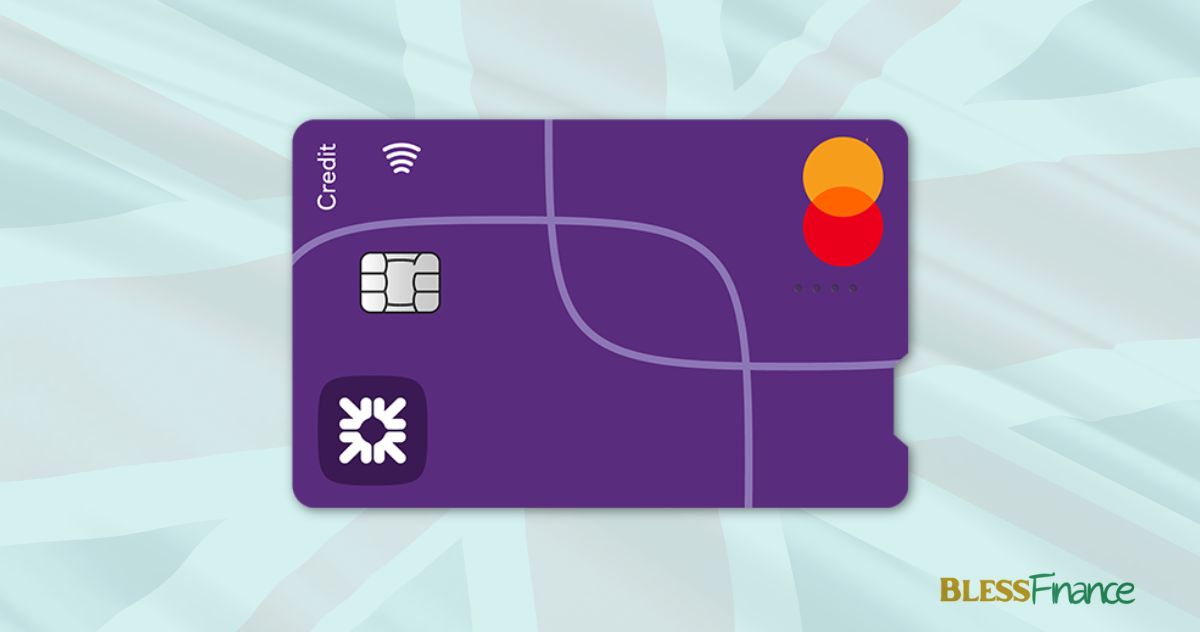
The promise of an extended interest-free period on both new spending and existing debts makes the RBS Purchase & Balance Transfer card a compelling option.
As a dual-offer card, it provides flexibility that few others can match, allowing you to tackle a large planned purchase or consolidate high-interest balances from other cards, all under one 0% introductory rate.
However, headline offers like “up to 20 months” often come with conditions. What does “up to” truly mean for your application? What are the underlying fees, and what happens when the promotional period ends? Most importantly, how can you use this card strategically to avoid falling into a debt trap? This comprehensive review breaks down every aspect, providing a clear path to using this financial tool effectively.
The Core Benefits Explained
This card’s value isn’t in rewards or cashback; it’s a specialist tool designed to provide a significant interest-free window. Its primary strength lies in offering long, concurrent 0% periods for both purchases and balance transfers, giving you valuable breathing room to manage your finances.
Up to 20 Months at 0% on Purchases
The headline feature is the ability to make new purchases without incurring any interest for up to 20 months from the date you open the account. This is exceptionally useful for planned, significant expenses. Imagine you need to fund home improvements costing £4,000. On a standard credit card with a typical APR, interest would begin to accumulate immediately, adding hundreds of pounds to the cost.
With this card, you could spread that £4,000 cost over the promotional period. If you receive the full 20-month offer, you can set up a simple repayment plan of £200 per month to clear the balance before any interest is charged. It transforms a large, immediate outlay into manageable, interest-free monthly instalments, ideal for new furniture, essential car repairs, or booking a major holiday in advance.
Up to 18 Months at 0% on Balance Transfers
The second key benefit is its power as a debt consolidation tool. If you’re carrying balances on high-interest credit or store cards, you’re likely paying a significant amount in interest each month, slowing down your progress in clearing the actual debt. This card allows you to move those balances over to RBS, effectively pausing the interest for up to 18 months.
During this period, every pound you repay goes directly towards reducing your principal debt, rather than being eroded by interest charges. This can dramatically accelerate your journey to becoming debt-free. It is crucial to note, however, that you must complete any balance transfers within the first three months of opening the account to qualify for the 0% promotional rate.
Pre-Application Eligibility Check
One of the card’s most user-friendly features is the “soft check” eligibility checker. The term “up to” can create uncertainty, as the length of the 0% offer you receive depends on your credit profile. RBS removes this guesswork. Before committing to a full application, you can use their tool to see the exact offer you’re likely to get, including the specific 0% period for purchases and transfers, and your potential credit limit. This initial check does not impact your credit score, allowing you to make an informed decision without any risk.
Security from a Major UK Bank
The card is issued by The Royal Bank of Scotland (RBS), a cornerstone of the NatWest Group, one of the UK’s largest and most established banking institutions. This provides the reassurance of dealing with a major high-street bank, including Financial Services Compensation Scheme (FSCS) protection on any credit balances. You also gain access to the robust RBS mobile banking app, which simplifies managing your account, tracking payments, and monitoring your balance.
Understanding the Fees and Charges
While the 0% offers are attractive, it’s essential to understand the associated costs and the standard rates that apply once the introductory periods end. This card is only effective when you manage it according to its rules.
- Representative APR: 24.9% APR (Variable).
- Annual Fee: £0. There is no annual cost for holding this card.
- Introductory Purchase Rate: 0% for up to 20 months from account opening.
- Introductory Balance Transfer Rate: 0% for up to 18 months on transfers made within the first 3 months.
- Standard Interest Rate: After the 0% period ends, any remaining balance will be charged interest at a variable rate, likely between 24.9% and 29.9%, depending on your circumstances.
- Balance Transfer Fee: A fee of 2.99% applies to each balance you transfer. For example, transferring £2,000 will incur a fee of £59.80, which is added to your balance.
- Cash Advance Fee: 3% of the amount withdrawn (minimum £3). Interest is charged immediately from the day of the transaction.
- Foreign Transaction Fee: 3% of the transaction value when used abroad.
- Late Payment Fee: A £12 fee is charged for any missed or late payments.
Key Drawbacks to Consider Before Applying
This card can be a powerful financial ally, but it becomes an expensive liability if misused. Understanding these potential pitfalls is critical.
The “Up To” Offer Isn’t Guaranteed
The advertised 20-month period is the maximum offer, typically reserved for applicants with excellent credit histories. Depending on your financial profile, you might be offered a shorter period, such as 16 or 14 months. This is precisely why using the soft eligibility checker before you apply is not just recommended, but essential.
The High Revert APR: The Main Trap
This is the most critical detail to understand. The day your 0% introductory offer expires, any balance remaining on the card will immediately start accruing interest at the high standard variable rate. This “cliff edge” is where many people get caught out. This card is designed for clearing debt within the promotional window, not for long-term borrowing beyond it.
The Upfront Balance Transfer Fee
While you pay 0% interest on transferred balances, the process itself is not free. The 2.99% fee is charged immediately. If you transfer a £5,000 debt, your starting balance on the RBS card will be £5,149.50. This fee is usually a small price to pay compared to the interest you would have paid on your old card, but it must be factored into your repayment calculations.
The Strict 3-Month Transfer Window
You have a limited time to act. All balance transfers must be initiated within the first three months of your account opening to qualify for the 0% rate. If you delay, you will lose the opportunity entirely.
How to Use This Card and Pay Zero Interest
To successfully leverage this card, you need a disciplined repayment plan from day one. Follow these steps to ensure you clear your balance without paying a penny in interest.
- Confirm Your Offer: Use the eligibility checker to find out the exact length of your personal 0% offer. For this example, let’s assume you are granted 18 months.
- Calculate Your Total Balance: Add up your new purchase amount and any transferred balances (including the 2.99% fee). Let’s say your total balance is £4,500.
- Determine Your Monthly Payment: Divide your total balance by the number of months in your 0% offer. In this case: £4,500 / 18 months = £250 per month.
- Set Up a Fixed Direct Debit: Log in to your RBS online banking or app and set up a Direct Debit to pay this fixed amount (£250) every month. Do not simply opt for the minimum payment, as this is designed to keep you in debt long after the 0% offer ends.
By automating this fixed payment, you guarantee that the entire balance will be cleared just before the promotional period expires, meaning you will have paid absolutely no interest.
Who is Eligible to Apply?
As a prime credit card from a major bank, the application criteria are relatively strict. You will need a solid financial footing to be approved.
You must meet these criteria:
- Be aged 18 or over.
- Be a permanent UK resident.
- Have a minimum annual income of £10,000.
- Not currently hold a credit card with RBS, NatWest, or Ulster Bank.
This card is a good fit if:
- You have a good or excellent credit history with a consistent record of timely payments.
- You are not currently in an IVA, Debt Management Plan, or have been declared bankrupt.
- You are planning a large purchase or need to consolidate existing debt from other lenders.
The Application Process Step-by-Step
Applying for the RBS card is a clear online process. Before starting, ensure you have your personal details to hand, including your address history for the last three years and your income information.
- Use the Eligibility Checker: The first and most important step is to visit the official RBS card page and use the eligibility checker. This soft search will confirm your likelihood of approval and the specific 0% offer you’ll receive without affecting your credit score.
- Start the Full Application: If you are happy with the pre-approved offer, you can proceed to the full application. You will be asked to confirm if you are an existing RBS customer.
- Provide Your Details: Complete the application form with your personal, financial, and employment information. Ensure all details are accurate to avoid delays.
- Review and Submit: Carefully review the information you have provided, read the terms and conditions, and submit your application. You will often receive an instant decision online.
How Does it Compare to Alternatives?
While the RBS card is a strong all-rounder, other cards might be better suited to more specific needs.
RBS vs. NatWest Purchase & Balance Transfer Card
The NatWest equivalent card is functionally identical to the RBS card. Both are part of the same banking group and typically feature the exact same offers, fees, and terms. The choice between them comes down to personal preference or which bank you already have a relationship with.
vs. A Longer 0% Balance Transfer Card
Some specialist cards may offer longer 0% periods (sometimes over two years) exclusively for balance transfers, but with little to no 0% offer on new purchases. If your sole objective is to pay off a very large existing debt and you will not be making any new purchases on the card, choosing the product with the absolute longest balance transfer term is the most logical choice.
vs. A 0% Fee Balance Transfer Card
A few providers offer cards with no balance transfer fee. However, the trade-off is a significantly shorter 0% interest period, often around 12 months. This option only makes financial sense if you are completely confident you can repay the entire debt within that shorter timeframe. For larger balances requiring more time, paying the 2.99% fee for a longer interest-free window is the safer and more effective strategy.
Final Verdict: Is This the Right Card for You?
The RBS Purchase and Balance Transfer Card is one of the most flexible and powerful 0% interest cards available in the UK. It is an excellent tool for achieving specific financial goals, provided you use it with discipline.
This card is an ideal choice if:
- You have a good credit score and meet the £10,000 minimum income requirement.
- You have a planned large expense and want to spread the cost without paying interest.
- You have high-interest debt on other cards that you are determined to pay off.
- You are organised and will set up a fixed Direct Debit to clear the balance before the 0% offer expires.
You should look elsewhere if:
- You have a poor or fair credit history, as you are unlikely to be approved.
- You tend to only make minimum payments, as the high revert rate will trap you in expensive debt.
- You are seeking rewards, cashback, or air miles, as this card offers no such perks.
- You need a card for regular spending abroad, as the 3% foreign transaction fee makes it unsuitable.
About the author