Co-operative Bank Fixed Rate Card: A Detailed Review of Its Long-Term Value
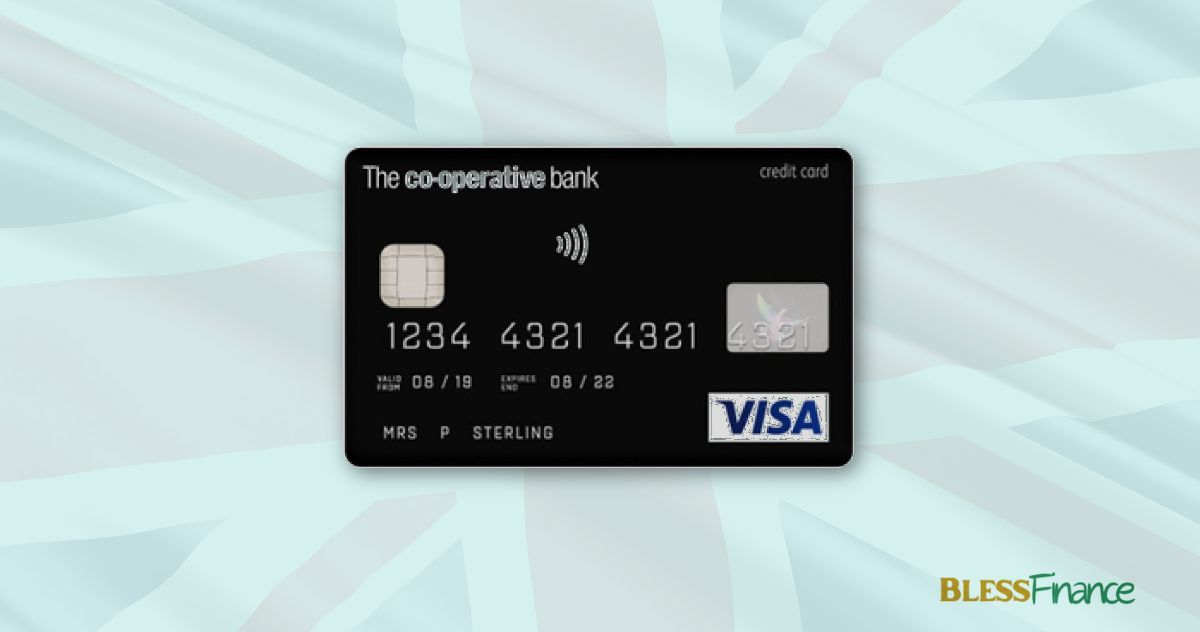
The Co-operative Bank’s 3-Year Fixed Rate credit card often catches the eye of borrowers looking for stability. In a market saturated with short-term 0% offers that can quickly spiral into high interest rates, the promise of a single, low, fixed rate for three full years is compelling.
However, this is one of the most specialised cards available in the UK, and it’s crucial to understand precisely how it works before applying.
This is not a 0% interest card. It is a “low-rate” card, engineered for a specific type of planned borrowing. This in-depth review breaks down every critical detail, from what the 12.9% fixed rate truly means for your budget to the significant drawbacks that make it unsuitable for many. By the end, you will have a clear picture of whether this is the right financial tool for your needs.
What Sets This Card Apart?
The entire proposition of this card is built on long-term predictability, functioning more like a flexible personal loan than a conventional credit card. Its primary feature is designed to offer peace of mind for significant, planned expenditure.
The Main Feature: 12.9% p.a. Fixed on Purchases for Three Years
This is the core reason the card exists. It allows you to make a new purchase and repay it over 36 months at a fixed interest rate of 12.9% p.a. This is a significant advantage when you consider that the average standard interest rate on UK credit cards often exceeds 25% APR. If you were to buy a £3,000 kitchen on a typical card, you would be charged that higher rate from the moment the 0% period ends, if there was one.
Many people might wonder, “Why not just use a 0% purchase card?” That is an excellent strategy, but only if you are certain you can clear the entire balance within the introductory window, which is typically around 15 months. If you cannot, you are hit by the much higher “revert rate” of 25% or more.
The Co-operative Bank’s card offers a third way. It is for individuals who have a large, planned expense—such as funding home improvements, paying for a wedding, or installing a new boiler—and know they will need longer than a year to pay it off. It provides a manageable, fixed, and predictable rate for the entire three-year term, avoiding the “cliff-edge” of a 0% deal expiring.
How Does the Balance Transfer Offer Stack Up?
The card also extends its 12.9% fixed rate for three years to balances transferred from other credit cards. While this sounds consistent, it is a much weaker proposition than the purchase offer, and it is vital to understand why.
To use this facility, you must pay an upfront balance transfer fee of 3% on the amount you move across (within the first 90 days). This means you are paying a fee simply for the privilege of then paying 12.9% interest on your debt. For example, on a £3,000 transfer, you would pay a £90 fee immediately, and then begin accruing interest at 12.9%.
In a market where numerous 0% balance transfer cards are available, this is not a competitive deal for proactively managing debt. So, who is it for? It serves as an “escape route” for people whose 0% promotional deals have already expired, who are now paying punishing interest rates of 25-30% on an old card, and who, for whatever reason, cannot get approved for a new 0% offer. In that very specific circumstance, paying a 3% fee to slash your interest rate from nearly 30% down to 12.9% is a sensible financial decision. For everyone else, a dedicated 0% balance transfer card is the superior choice.
The Overlooked Benefit: What Happens When the Fixed Rate Ends?
One of this card’s best-kept secrets is what happens after the 36-month fixed period concludes. On most promotional cards, the rate you “revert” to is a standard variable rate of 25% or higher. With this card, the journey is much smoother.
The Representative APR is 12.9% (variable), which means the standard rate it switches to after the fix ends is also around 12.9% (variable). While it can change over time, it starts at the same low level.
This is an incredibly rare feature in the credit card market. It means there is no “payment shock” or sudden, steep increase in your interest costs. You simply transition from a fixed low rate to a variable low rate, making it one of the safest cards for managing long-term borrowing without facing a financial cliff-edge.
The Major Drawbacks: Where This Card Falls Short
While the fixed rate is appealing, the card comes with significant limitations that make it the wrong choice for most day-to-day needs. Understanding these flaws is essential before you consider applying.
- It Is Not Free BorrowingThis is the most common point of confusion. If you spend £1,000 on this card, you will be charged interest at 12.9% on that balance. It is a low-rate product, not a no-cost one. If you are disciplined and can clear your spending within 15-20 months, a 0% purchase card is a far cheaper option because the borrowing is genuinely free during the promotional period. This card is only suitable for borrowing you know will take longer to repay than a 0% deal allows.
- Poor Value for Debt ConsolidationIt bears repeating: this is an inefficient tool for clearing existing card debt. Paying a 3% fee to access a 12.9% interest rate is simply not competitive. A market-leading 0% balance transfer card will charge a similar fee but give you over two years of 0% interest, allowing every penny of your repayments to reduce the principal debt. The Co-op’s offer is a Plan C at best.
- Unsuitable for TravelThe 2.75% non-sterling transaction fee is a classic high-street bank charge that should be avoided. This fee means that for every £1,000 you spend abroad, the bank will add a £27.50 charge. This is an unnecessary cost when many modern banks and specialist travel credit cards offer fee-free spending overseas. Do not take this card on holiday.
- The High Cost of Cash AdvancesUsing any credit card at a cash machine is a poor financial choice, and this one is no exception. You will be hit with two charges: an immediate upfront fee of 3% (minimum £3) and interest at your 12.9% rate, which starts accruing from the very second you withdraw the cash, with no interest-free grace period. While 12.9% is lower than the cash advance rate on many cards, it remains a very expensive way to get money.
Who Is This Card Designed For?
This is a “prime” credit card, meaning The Co-operative Bank offers it to applicants with a good to excellent credit history. The low standard APR is a reflection of the low-risk customers the bank is seeking to attract.
To be eligible, you must typically meet the following criteria:
- Be aged 18 or over
- Be a permanent UK resident
- Have a good credit history, with no recent defaults, CCJs, or bankruptcies
- Hold a UK bank or building society account
- Have a regular income
How to Apply for the Co-op Bank Fixed Rate Card
Secure your low fixed rate safely by following these steps:
- Check Eligibility: Use the soft search tool on the Co-op Bank website to see your approval chances risk-free.
- Review Your Rate: Confirm the 12.9% fixed APR and credit limit offered to you.
- Complete the Application: Proceed to the full form (hard search applies) if you are happy with the terms.
- Plan Your Purchase: Use the card for your planned expense and set up a Direct Debit to clear it within 3 years.
Co-operative Bank Fixed Rate Card vs. The Alternatives
This card’s unique nature means it competes with several different types of products. Here is how it compares.
vs. A 0% Purchase Card
This is a straightforward choice based on your repayment timeline. If you are making a purchase you are 100% confident you can pay off within the 0% promotional period (e.g., 15 months), the 0% card is the undisputed winner as it costs you nothing in interest. The Co-operative Bank card is for planned, long-term debt where you need the security of a low, fixed rate for up to three years and want to avoid a high revert rate.
vs. A 0% Balance Transfer Card
For clearing existing credit card debt, a 0% balance transfer card is vastly superior. You pay a similar upfront fee to get a long interest-free period. The only scenario where the Co-operative Bank card makes sense for a balance transfer is if you have been rejected for all 0% deals and your current card’s interest rate is significantly higher than 12.9%.
vs. A Personal Loan
A personal loan is often cheaper, with leading rates for those with good credit sitting well below 10%. Its rigid structure of fixed monthly payments also enforces discipline. The main advantage of the Co-operative Bank card is flexibility. You can overpay to clear the debt early without penalty, or pay only the minimum during a difficult month. It is essentially a “flexible loan” at a slightly higher price point.
Our Verdict: Is the Co-operative Bank Fixed Rate Card Right for You?
The 3-Year Fixed Rate Credit Card is a powerful but misunderstood financial product. Its value lies in its long-term predictability, making it one of the most stable cards in the UK for carrying a planned, large balance over several years.
This card is an excellent choice for:
- The Long-Term Planner: Someone making a large purchase, like for home renovations or a wedding, who knows they need 2-3 years to pay it off and values a low, fixed rate over a short-term 0% deal.
- The Flexible Borrower: A person who wants the low-rate security of a personal loan but with the flexibility of a credit card to overpay or redraw funds if needed.
- The Post-0% Customer: An individual whose 0% deal has ended, who has been declined for a new 0% card, and is now facing a revert rate of 25% or more. This card is their escape hatch.
You should look elsewhere if you are:
- A Debt Consolidator: If you can get approved for a 0% balance transfer card, it is a much more cost-effective option for clearing debt.
- A Short-Term Spender: If you can clear your balance within about 15-20 months, a 0% purchase card will be completely free of interest and therefore the better choice.
- A Frequent Traveller: The 2.75% foreign transaction fee makes this an expensive card to use outside the UK.
Final Thoughts: This card is designed for one specific job: funding a large, new purchase over a two-to-three-year period with a predictable, low interest rate and no payment shock at the end. For that single purpose, it is an outstanding and highly effective tool. For almost everything else, there are better alternatives available.
About the author