M&S Rewards Card M&S Bank: A Comprehensive UK Review of Its Points, Fees, and True Value
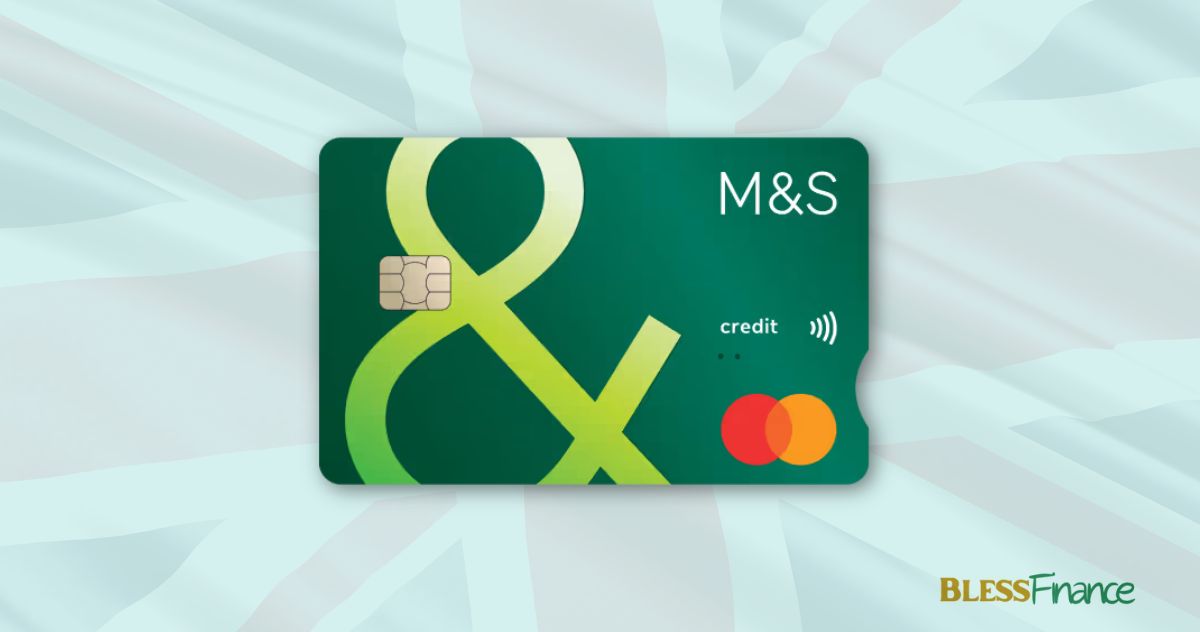
The M&S Rewards Card from M&S Bank presents a tempting offer: rewards on your shopping, plus interest-free periods on both purchases and balance transfers. It aims to be an all-in-one solution for loyal M&S customers. But does it deliver real value, or are the benefits outweighed by hidden costs and limitations?
This detailed analysis unpacks the fine print, from the true value of M&S points to the costly fees that can catch you out. We will explore whether this card genuinely rewards loyalty or if better alternatives exist for the savvy consumer.
How the M&S Rewards System Works
The main appeal of this card is its rewards programme, which allows you to earn M&S points on your everyday spending. These points are then automatically converted into M&S vouchers. The earning rate is straightforward but has a crucial split that defines the card’s value.
- Spending at M&S: You earn 1 point for every £1 spent, either in-store or online.
- Spending everywhere else: You earn 1 point for every £5 spent on all other purchases, from your weekly shop at another supermarket to fuel or online shopping.
To understand the real return, it’s best to convert this into a simple cashback equivalent. Every 100 points you collect is worth £1 in M&S vouchers. This means the reward rates are:
- A 1% reward rate at M&S. This is a respectable rate for a no-fee store card, rewarding you directly for your loyalty.
- A 0.2% reward rate everywhere else. This is a very low rate. Many competing cashback and reward cards on the market offer significantly more for your general spending.
This structure makes it clear the card is designed almost exclusively for dedicated M&S shoppers. If the bulk of your spending occurs elsewhere, the rewards will accumulate very slowly. Vouchers are issued automatically every three months, provided you have earned at least 100 points. You don’t need to log in or claim them, which adds a layer of convenience.
Interest-Free Offers: Purchases and Balance Transfers
Beyond rewards, the card attempts to add value with introductory 0% interest periods. These can be useful for managing your finances, but it’s vital to understand their limitations.
The 0% Purchase Offer
New cardholders typically receive a period of 0% interest on new purchases. This allows you to buy a larger item, such as furniture or electronics, and spread the cost over several months without incurring any interest. While helpful, the promotional period is often shorter than those offered by specialist purchase cards. It’s essential to have a clear plan to repay the full amount before the offer ends, as the standard interest rate is high.
The 0% Balance Transfer Offer
The card also includes a 0% interest offer on balance transfers, designed to help you consolidate and pay down existing credit card debt. You can move a balance from another card and pay no interest for the promotional period. However, this feature comes with a significant catch: a balance transfer fee.
You will be charged a percentage of the amount you move, typically around 3.49%, if you make the transfer within the first 60 days. For a relatively short 0% window, this is a very expensive fee. Specialist balance transfer cards often provide much longer interest-free periods for a lower fee, or sometimes no fee at all.
A Complete Breakdown of Fees and Charges
Understanding the fee structure is critical to using any credit card effectively. The M&S Rewards Card has several costs that can quickly erode the value of any rewards you earn. Here are the key charges to be aware of:
- Representative APR: The standard interest rate is 23.9% APR (variable). This is a high rate, making it an expensive card for borrowing or carrying a balance month-to-month.
- Annual Fee: There is no annual fee for this card.
- Balance Transfer Fee: A promotional fee of 3.49% (minimum £5) applies to transfers made within the first 60 days. After that, the standard fee rises to 5%.
- Foreign Transaction Fee: A 2.99% fee is charged on all transactions made in a foreign currency. This makes the card extremely poor value for use abroad.
- Cash Advance Fee: Withdrawing cash incurs a fee of 2.99% (minimum £3). This is an expensive way to access money and should be avoided.
- Late Payment Fee: A £12 fee is charged for missed or late payments. This will also likely result in the loss of your promotional 0% rates.
The Major Drawbacks You Must Consider
While the M&S brand inspires trust, the financial product itself has several significant weaknesses that potential applicants must weigh carefully.
- It Is a Poor Choice for Travel: The 2.99% non-sterling transaction fee is the card’s single biggest flaw. For every £100 you spend on holiday or on an international website, you will be charged an extra £2.99. The 0.2% reward you earn on that spending is completely wiped out, leaving you with a net loss of 2.79% on every transaction. A dedicated travel credit card with 0% fees is a far superior option.
- The Rewards Are Low and Inflexible: Outside of M&S, the 0.2% reward rate is among the lowest on the market. Furthermore, your earnings are paid out in M&S vouchers, locking you into spending them with one retailer. If your shopping habits change, or if you simply prefer the flexibility of cash, these rewards offer limited value.
- The Standard APR Is High: With a representative APR of 23.9%, this is not a card for long-term borrowing. The business model relies on customers carrying a balance after the 0% offers expire. Any interest charges will quickly dwarf the value of the points you have accumulated. It is essential to pay your balance in full each month via Direct Debit.
- The Balance Transfer Offer Is Weak: Paying a 3.49% fee for a short 0% period of just nine months represents poor value for money. Those with good credit scores can find much more competitive deals from other providers, including cards with longer interest-free terms and no transfer fee.
Who Is Eligible for the M&S Rewards Card?
This card is aimed at customers with a good to excellent credit history and is not suitable as a credit-builder card. To be considered, you will generally need to meet the following criteria:
- Be aged 18 or over.
- Be a permanent UK resident.
- Have a good credit history, with no recent defaults, CCJs, or bankruptcies.
- Have a regular income.
- Hold a UK bank account.
- Not have held an M&S Credit Card within the past 12 months.
M&S Bank provides an eligibility checker on its website. This tool performs a “soft search” on your credit file, which gives you an indication of your chances of acceptance without affecting your credit score.
How to Apply for the M&S Rewards Card
Get your card safely by following these steps:
- Use the Eligibility Checker: Start with the soft search tool on the M&S Bank site to protect your credit score.
- Review Your Offer: Check the credit limit and APR offered (it varies by applicant).
- Complete the Application: Have your address history (3 years) and income details ready.
- Link Your Sparks Card: Once approved, link your card to your Sparks account to maximise points.
Comparing the M&S Card to Leading Alternatives
To truly assess its value, the M&S card must be compared against specialist cards in different categories. In almost every case, a dedicated alternative offers a better deal.
M&S Card vs. Cashback Cards
A true cashback card, such as those offered by American Express or Barclaycard, will typically offer a flat rate of 0.5% to 1% back on all spending, paid as cash credited to your account. While some may have spending caps or tiered rates, their overall return for general shopping is almost always higher and more flexible than the M&S card’s 0.2% rate and voucher-based rewards.
M&S Card vs. Other Retail Cards
When compared to other supermarket or department store cards, the M&S offering is competitive but not market-leading. For instance, the John Lewis Partnership Card often provides a higher reward rate (typically 1.25%) for spending at John Lewis and Waitrose. If you are loyal to a different brand, its own credit card will likely offer you more value.
M&S Card vs. Specialist Travel Cards
There is no contest in this category. Specialist travel credit cards from providers like Barclays, Halifax, or Chase offer 0% foreign transaction fees. Using one of these cards abroad will save you almost £3 for every £100 you spend compared to the M&S card. For anyone who travels, even once a year, having a dedicated travel card is essential.
Frequently Asked Questions
Will checking my eligibility harm my credit score?
No. Using the eligibility checker on the M&S Bank website results in a “soft search,” which is not visible to other lenders and does not impact your credit score. A “hard search” is only recorded if you are pre-approved and decide to proceed with a full application.
What is the real value of M&S points?
The conversion is simple: 100 points equals £1 in M&S vouchers. This translates to a 1% reward rate on M&S spending and a 0.2% reward rate on all other spending.
Should I use this card on holiday?
We strongly advise against it. The card charges a 2.99% fee on all foreign currency transactions, making it one of the more expensive ways to spend money abroad. You would be losing money on every purchase.
Is the 0% balance transfer offer a good deal?
In our expert view, it is not. The combination of a high 3.49% fee and a short 9-month interest-free period makes it poor value. Specialist cards offer better terms for those looking to manage existing debt.
What happens if I miss a payment?
You will be charged a £12 late payment fee. More importantly, you will likely lose your 0% promotional rates, and your entire balance will start accruing interest at the high standard APR. It is crucial to set up a Direct Debit to avoid this.
Our Final Verdict: A Card for the Dedicated M&S Shopper Only
The M&S Rewards Credit Card is a classic “jack-of-all-trades, master-of-none.” It is beaten by specialist competitors in every key area: its rewards are less generous than other retail cards, its travel fees are prohibitively high, and its balance transfer offer is poor value. Its primary appeal is the convenience of an all-in-one card from a trusted high-street brand.
Who this card is perfect for:
- The die-hard M&S loyalist: You do the majority of your food and clothes shopping at M&S and want to be rewarded for it simply.
- The short-term borrower: You have a specific M&S purchase in mind and want to use the 0% on purchases offer to spread the cost, with a firm plan to clear the balance before the offer ends.
Who should avoid this card:
- The savvy reward hunter: If you want the best return on your spending, a dedicated cashback card will offer a higher and more flexible reward.
- The frequent traveller: The 2.99% foreign transaction fee is a deal-breaker. A specialist travel card is a must-have.
- Anyone with significant debt: The balance transfer offer is too expensive and short. A dedicated 0% card from another provider will save you more money.
- Those who carry a balance: The high 23.9% APR will quickly eliminate the value of any rewards earned if you do not pay your statement in full each month.
About the author