RBS Balance Transfer Card: A Complete Guide to the £0 Fee Offer and How to Avoid the Traps
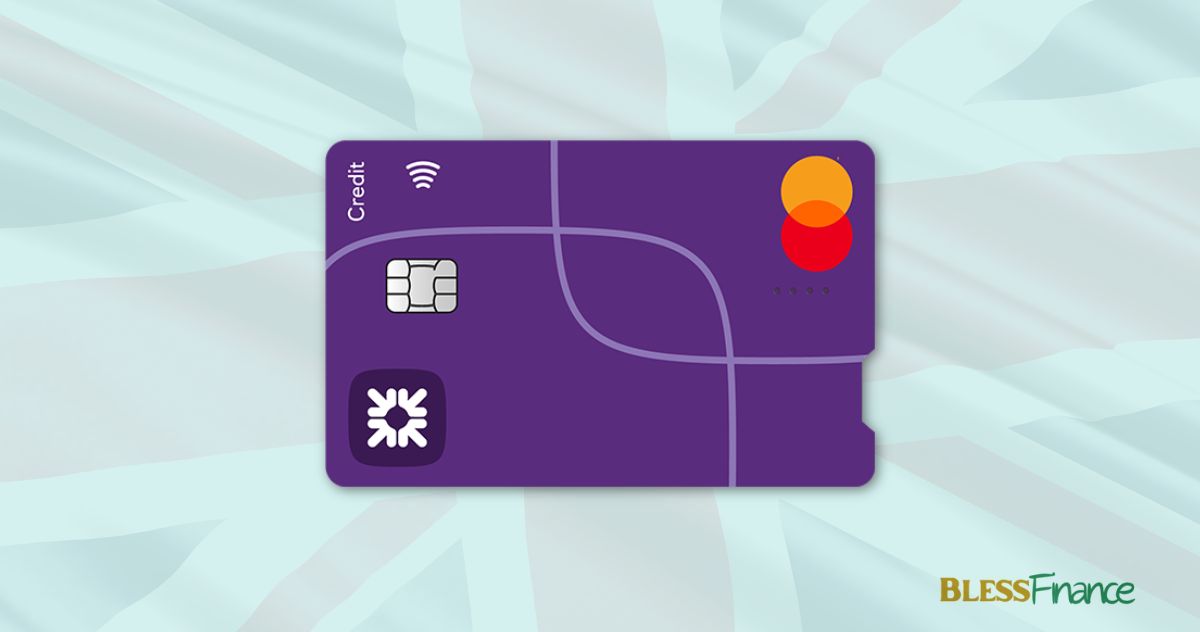
The promise of a £0 balance transfer fee is the single biggest reason to consider the RBS Balance Transfer Card. In a market where most providers charge around 3% just to move your debt, this offer stands out as a powerful tool for consolidating what you owe.
It’s designed for one specific purpose: to help you clear an existing credit card balance without paying a penny in fees or interest.
But this card is a specialist tool, not an all-rounder. While the no-fee transfer is a huge advantage, it comes with significant trade-offs. The 0% interest period is shorter than many rivals, and a hidden trap involving new purchases can quickly erase any savings you make.
This detailed guide breaks down everything you need to know, from the core benefits and hidden costs to a clear strategy for using the card successfully.
How the RBS Balance Transfer Card Works
The card’s proposition is straightforward. It allows you to move debt from other credit cards or store cards over to a new RBS card. Once the balance is transferred, you benefit from a promotional period of 0% interest, giving you time to pay it down without it growing.
The standout feature is that RBS charges no fee for this transfer, which is a rare find in the UK market.
- The Main Offer: You get 0% interest for a period of up to 12 months on balances you transfer.
- The Key Saving: You pay a £0 transfer fee, saving you the typical 2-3% fee charged by most other cards.
- The Catch: You must complete all your transfers within the first three months of opening the account to qualify for the 0% deal.
The “up to 12 months” wording is important. Depending on your credit history and financial circumstances, you might be offered a shorter term, such as 10 months. Fortunately, RBS provides an eligibility checker that confirms your guaranteed offer before you commit to a full application.
The Core Benefits in Detail
While simple, the advantages of this card are significant for the right person. Understanding them fully is key to deciding if it fits your debt-clearing plan.
The £0 Balance Transfer Fee
This is the card’s headline benefit. Most balance transfer cards in the UK charge a one-off fee, calculated as a percentage of the amount you are moving. This fee is added to your balance straight away. With the RBS card, you avoid this cost entirely.
Let’s look at a practical example. Imagine you need to transfer a £2,500 balance from a high-interest card:
- On a competitor card with a 3% transfer fee, you would be charged £75 immediately. Your new balance would start at £2,575.
- With the RBS Balance Transfer Card, you pay £0. Your new balance is exactly £2,500, meaning every penny you repay goes towards clearing your actual debt.
The 0% Interest Promotional Period
Alongside the no-fee transfer, you get a breathing space where your debt doesn’t accumulate interest. For up to 12 months, your entire balance is frozen at 0% APR. This gives you a fixed window to make significant progress on repaying what you owe. Without interest charges constantly adding to the total, your monthly payments have a much greater impact.
The “Soft Search” Eligibility Checker
Applying for credit can be stressful, especially as a rejected application leaves a mark on your credit file. RBS helps to remove this risk with its eligibility checker. This tool performs a “soft search” on your credit history, which is invisible to other lenders and has no impact on your credit score.
It gives you a clear indication of your chances of being accepted and, crucially, tells you the exact 0% period and credit limit you will be offered if you proceed. This removes all the guesswork.
Backed by a Major UK Bank
The card is issued by The Royal Bank of Scotland (RBS), a key part of the NatWest Group. This means you are dealing with a large, established high-street bank, not a lesser-known online lender. You get the security of FSCS protection on any credit balances and access to a reliable mobile banking app to manage your account and payments easily.
Understanding the Costs and Fees
The main benefit is the lack of a transfer fee, but if you stray from the card’s intended use, the costs can quickly mount up. Here are the key figures you need to be aware of.
- Representative APR: 24.9% (Variable)
- Annual Fee: £0
- Standard Purchase Rate: 24.9% to 29.9% (Variable)
- Balance Transfer Fee: £0 (on transfers made in the first 3 months)
- Introductory Purchase Rate: 0% for 3 months from account opening
- Cash Advance Fee: 3% (minimum £3), with interest charged from day one
- Foreign Transaction Fee: 2.99% of the transaction value
- Late Payment Fee: £12
The Major Drawbacks You Must Understand
This card is a specialist. Using it for anything other than its primary purpose can turn it into an expensive liability. Be aware of these significant drawbacks before you apply.
The Mismatched Offer and Payment Trap
This is the single biggest risk. The card offers 0% on balance transfers for up to 12 months, but the 0% offer on new purchases lasts for only 3 months. This mismatch creates a dangerous trap. If you use the card to buy something in month four, that purchase will immediately start incurring interest at the high standard rate of 24.9% or more.
Worse still, due to “payment hierarchy” rules, your monthly repayments are typically allocated to the cheapest debt first. This means your payments will go towards clearing your 0% transfer balance, while the new, expensive purchase debt is left to accumulate interest for months. The simplest way to avoid this is to follow one golden rule: do not make any new purchases on this card.
The 0% Period is Relatively Short
The trade-off for a £0 fee is a shorter interest-free window. Twelve months is not a long time to clear a substantial debt. This card is best suited for smaller, more manageable balances that you are confident you can repay within a year.
If you have a larger debt of, say, £5,000, you would need to repay over £416 every month to clear it in time. For many, this is unrealistic, and a card with a longer 0% period, even one with a fee, would be a more suitable choice.
The High Standard APR
The 0% offer is a temporary promotion. The day after it expires, any remaining balance on your card will revert to the standard APR, which is a very high 24.9% or more. This is the “cliff edge” you must avoid. If you fail to clear your balance in time, the interest charges will quickly erode the savings you made. Having a clear repayment plan is essential.
A Disciplined Strategy for Success
To use this card effectively and avoid the traps, you must be disciplined from day one. Follow this simple, automated plan to guarantee you pay off your debt without incurring any fees or interest.
- Never Use It for Spending: This is the most important rule. Once your balance is transferred, put the physical card away in a drawer and remove it from any digital wallets. This completely neutralises the mismatched offer trap.
- Calculate Your Monthly Repayment: Use the eligibility checker to find your exact 0% term. Let’s say you are offered 12 months and transfer £2,400. Divide the total balance by one month less than your offer period to create a buffer: £2,400 / 11 months = £218.18 per month.
- Set Up a Fixed Direct Debit: Log into your RBS online banking or app and set up a Direct Debit to repay this exact amount each month. Do not just pay the minimum amount requested on your statement. This automates your success and ensures the debt is cleared before the 0% period ends.
Are You Eligible for the RBS Card?
As this is a mainstream credit card, you will need to meet certain criteria to be accepted. Lenders are looking for applicants who have a history of managing credit responsibly.
You must meet these requirements:
- Be aged 18 or over
- Be a permanent UK resident
- Have a minimum annual income of £10,000
- Have a good credit history, with no recent defaults, CCJs, or bankruptcy
You are not eligible if:
- You want to transfer a balance from another card within the NatWest Group, which includes NatWest and Ulster Bank.
How to Apply Safely
The best way to apply is by using the soft-check tool first to protect your credit score. The process is simple and can be completed online in minutes.
- Visit the Official RBS Website: Start on the official RBS Balance Transfer Card page to ensure you have the latest offer details.
- Use the Eligibility Checker: Before starting a full application, look for the “Check your eligibility” or “Check my chances” option. This will initiate the soft search.
- Provide Your Details: You will need to enter your personal information, address history, and income details. This is used to assess your eligibility without impacting your credit file.
- Review Your Personalised Offer: The tool will tell you your likelihood of acceptance and confirm the exact 0% term and credit limit you’ll receive.VISIT THE CARD SITE
- Proceed to Full Application: If you are happy with the offer, you can then proceed to the full application. Only at this stage will a “hard” credit check be performed and recorded on your file.
Final Verdict: Is This the Right Card for You?
The RBS Balance Transfer Card is an excellent, highly valuable product for a specific type of person. Its combination of 0% interest with a £0 transfer fee makes it one of the most cost-effective ways to clear debt in the UK. However, its value is entirely dependent on your ability to be disciplined and clear the balance within the relatively short promotional window.
This card is an ideal choice if:
- You have a good credit score and an income above £10,000.
- Your debt is small to medium (e.g., under £3,000).
- You are completely confident you can afford the monthly repayments to clear the debt within 12 months.
- You are disciplined enough to never use the card for new spending.
You should look for a different card if:
- You have a large debt that will realistically take longer than a year to repay. A longer-term card, even with a fee, is a safer option.
- You are looking for an all-purpose card for spending as well as balance transfers.
- Your existing debt is with NatWest or Ulster Bank.
About the author