Post Office Card: Your guide to its fee-free travel benefits and hidden high-interest costs
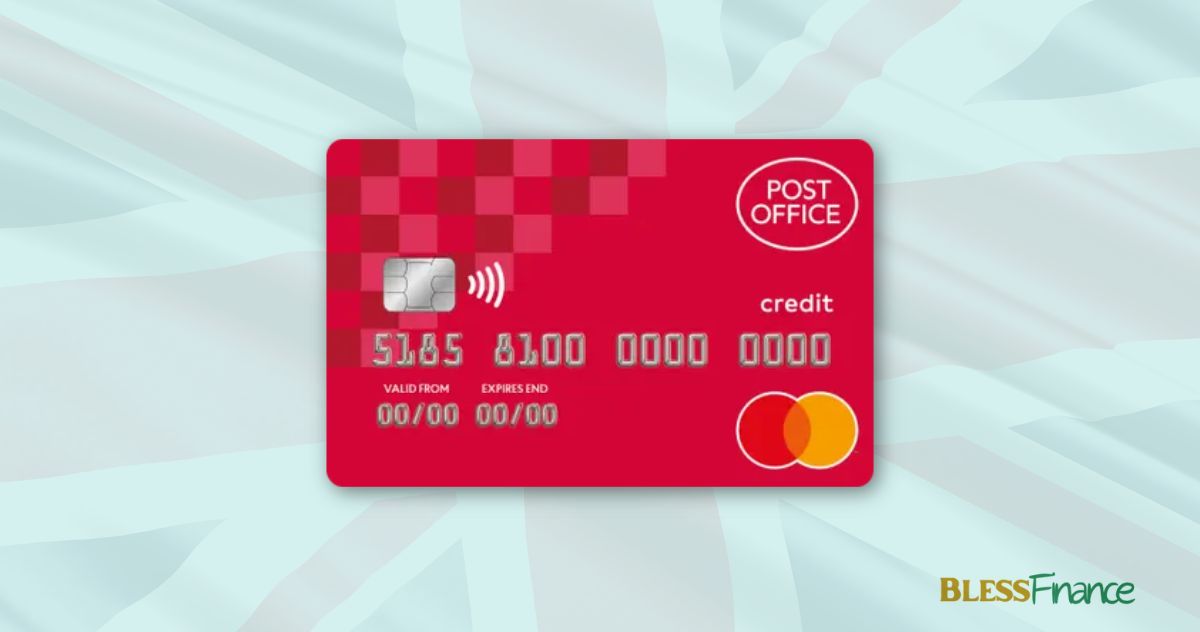
The Post Office Credit Card aims to solve two common financial challenges: managing existing debt and cutting costs when travelling abroad. With a trusted high-street name, its promise of fee-free holiday spending is particularly appealing. However, this card is a hybrid product with some significant trade-offs.
While the 0% foreign transaction fee is a genuine benefit, it comes with a major catch regarding cash withdrawals. The introductory balance transfer offer provides some breathing room, but it may not be the most competitive deal available.
This detailed review breaks down every feature, fee, and piece of small print to help you decide if this card is a savvy travel companion or a high-interest trap in disguise.
A Detailed Look at the Card’s Core Features
The Post Office Credit Card attempts to be a jack-of-all-trades, combining travel perks with debt management tools. Let’s examine how well it performs each of these roles and what you need to know about its main offers.
Fee-Free Purchases Abroad
This is the card’s standout feature. It charges 0% in foreign transaction fees on all purchases made outside the UK. This is a premium travel benefit typically found on more exclusive cards, so having it on a no-annual-fee card is a significant advantage.
To put this into perspective, most standard credit and debit cards from major UK banks charge a non-sterling transaction fee of around 2.99% on every purchase you make abroad. If you were to spend £1,000 on hotels, meals, and shopping during a holiday, these fees would add an extra £29.90 to your bill.
With the Post Office Credit Card, that cost is zero. You simply get the standard Mastercard exchange rate, which is typically very competitive. This makes it an excellent choice for all your card spending while on holiday.
0% Interest on Balance Transfers
The card’s other primary function is to help you manage existing debt. It offers 0% interest on balance transfers for 12 months. This allows you to move an outstanding balance from a high-interest credit or store card, effectively pausing the interest for a year. This gives you a valuable window to focus on repaying the capital debt rather than just servicing the interest.
However, there is a critical condition: you must complete your balance transfers within the first 60 days of opening the account to qualify for the 0% promotional offer. A 12-month interest-free period is useful for clearing smaller debts, but it is shorter than many market-leading offers designed for larger, long-term balances.
The Balance Transfer Fee
This 0% interest period is not entirely free. To move your debt, the Post Office charges a one-off fee of 2.90% of the amount being transferred. For example, if you transfer a balance of £2,000, the fee would be calculated as follows:
£2,000 x 2.90% = £58
This £58 fee is added to your balance, meaning you would start the 12-month interest-free period owing £2,058. This is a standard practice for balance transfer cards, but it’s a tangible cost you need to factor into your calculations.
Introductory 0% on Purchases
New cardholders also receive 0% interest on new purchases for the first 3 months. This is a very short promotional window and is not intended for financing a major purchase over a long period. It’s best viewed as a short-term convenience for a planned, smaller expense.
For instance, you could buy a new appliance for £300 and pay it off at £100 per month for three months without incurring any interest. After this period, the card’s high standard interest rate applies to any remaining balance.
No Annual Fee
A key positive is that the Post Office Credit Card has no annual fee. This means you can keep the card in your wallet for its travel benefits without it costing you anything. You can use it solely for your annual holiday and leave it in a drawer for the rest of the year, making it a cost-effective tool for a specific purpose.
Understanding the Fees and Charges
To properly assess this card, it’s essential to be aware of all the associated costs. The high standard APR and the fees for cash withdrawals are particularly important to note.
- Representative APR (Purchases): 29.9% APR (variable). This is a high rate, indicating the card is not suitable for long-term borrowing.
- Annual Fee: £0.
- Promotional Balance Transfer Fee: 2.90% (for transfers made in the first 60 days).
- Standard Balance Transfer Fee: 5% (applies after the 60-day promotional window).
- Foreign Transaction Fee (Purchases): 0% (the main travel benefit).
- Foreign Transaction Fee (Cash): 2.99% (minimum £3). This is the cash advance fee.
- UK Cash Advance Fee: 2.99% (minimum £3). This should be avoided.
- Late Payment Fee: £12.
The Drawbacks: What You Must Know Before Applying
The marketing for this card focuses heavily on its travel benefits, but there are several significant drawbacks hidden in the small print. Understanding these is crucial to using the card correctly and avoiding expensive mistakes.
- The Travel Cash Withdrawal TrapThis is the single most important catch. While purchases abroad are fee-free, using the card to withdraw cash from an ATM is extremely expensive. Many people associate the Post Office with travel money and might assume cash withdrawals are also free. They are not. If you use this card at a cash machine, you face a double penalty: an immediate cash advance fee of 2.99% (with a minimum charge of £3), and interest starts accruing at your high standard APR from the moment the cash is dispensed. There is no interest-free grace period as there is with purchases. This makes it one of the worst possible ways to get foreign currency.
- The High Standard APRThe representative APR of 29.9% is high for a card aimed at customers with a good credit history. This rate is more typical of cards for those with fair or average credit scores. It serves as a clear warning: this is not a card for carrying a balance from month to month. The interest charges will quickly accumulate and can become difficult to manage. You must aim to pay your balance in full every month to avoid these costly charges.
- An Uncompetitive Balance Transfer OfferWhile 0% interest is always helpful, the overall balance transfer deal is weak compared to the best offers on the market. A 12-month period is relatively short, and the 2.90% fee is high for what you get. If your primary goal is to clear a significant debt, you can likely find cards offering longer interest-free periods for a similar or even lower fee.
- The Issuer is Jaja FinanceIt’s important to clarify that while the card carries the trusted Post Office brand, the credit agreement and account management are handled by a separate company called Jaja Finance Limited. Jaja is a fully regulated UK financial technology company, but your customer relationship will be with them, not with Post Office Bank.
Who is Eligible for the Post Office Card?
The card is positioned for applicants with a “good” credit history, though its high APR suggests it may also be accessible to those with “fair” scores. It is not a credit-builder card for those with recent serious credit issues.
To be eligible, you must meet the following criteria:
- Be 18 years of age or older.
- Be a permanent UK resident with at least 6 months of UK address history.
- Hold a UK bank account and have a UK mobile number.
- Have a regular income.
- Have a good credit history, with no recent County Court Judgements (CCJs), IVAs, or bankruptcies.
How to Apply Safely for the Post Office Card
If you decide this card is the right fit for your needs, it is vital to use the provider’s eligibility checker first. This “soft search” facility allows you to see if you’ll be accepted without affecting your credit score.
- Visit the official Post Office Credit Card website.
- Locate and use the “Check eligibility” tool. This is the most important step, as it protects your credit file from a hard search if you are likely to be declined.
- Complete the eligibility form. You will need to provide your personal, address, and income details. This process is quick and secure.
- Receive your pre-approval decision. The tool will give you an instant indication of your chances of acceptance and will often tell you the specific APR and credit limit you are likely to be offered.
- Proceed to the full application. Only if you are pre-approved and happy with the offer should you continue to the formal application. This is the point at which a “hard search” will be recorded on your credit file.
How Does it Compare to Alternatives?
To understand its true value, the Post Office card must be compared to other leading products in the market.
vs. Specialist Travel Credit Cards
Compared to a top-tier travel card like the Barclaycard Rewards, the Post Office card falls short. The Barclaycard offers 0% fees on both purchases and cash withdrawals abroad, plus it gives you 0.25% cashback on your spending. The Post Office card is a good “Plan B” if you are declined for the Barclaycard, but it is not the superior option.
vs. Leading Balance Transfer Cards
When measured against specialist balance transfer cards, such as those from Santander or M&S Bank, the Post Office offer is uncompetitive. These providers often have longer 0% periods (sometimes over 24 months) and may even have lower transfer fees. If your main priority is debt consolidation, a dedicated balance transfer card will almost certainly offer a better deal.
vs. Fintech Debit Cards
For getting cash abroad, fintech debit cards from providers like Starling Bank or Monzo are the clear winners, offering fee-free cash withdrawals up to certain limits. However, the Post Office Credit Card has one major advantage over any debit card: Section 75 protection.
For purchases over £100 and up to £30,000, Section 75 of the Consumer Credit Act makes your card provider jointly liable with the retailer if something goes wrong. This is invaluable protection for expensive purchases like flights or hotels, which a debit card does not offer.
Our Final Verdict: Is This Card Right For You?
The Post Office Credit Card is a functional, no-frills product that excels in one specific area: fee-free spending abroad. However, its other features are mediocre when compared to the best products on the market. Its value ultimately depends on your financial circumstances and how you intend to use it.
Who This Card Is For
- The Occasional Traveller: If you want a simple, no-annual-fee card to use for purchases on your annual holiday and have been declined for a top-tier travel card, this is a solid choice.
- The Disciplined User: This card is only suitable for someone who will pay their balance in full each month and will never use it to withdraw cash.
Who Should Avoid This Card
- Anyone with an Excellent Credit Score: You should apply for a superior travel card like the Barclaycard Rewards, which offers better perks for no annual fee.
- Anyone Needing to Clear a Large Debt: The 12-month 0% period is too short and the fee is too high. A dedicated balance transfer card is a much better option.
- Anyone Who Tends to Carry a Balance: The 29.9% APR is prohibitively high. This is not a card for borrowing.
- Anyone Needing Cash Abroad: The fees and instant interest charges make this card a terrible choice for ATM withdrawals. Use a specialist debit card instead.
About the author