NatWest 19-Month 0% Card: A Complete UK Guide to Its Benefits, Fees, and Pitfalls
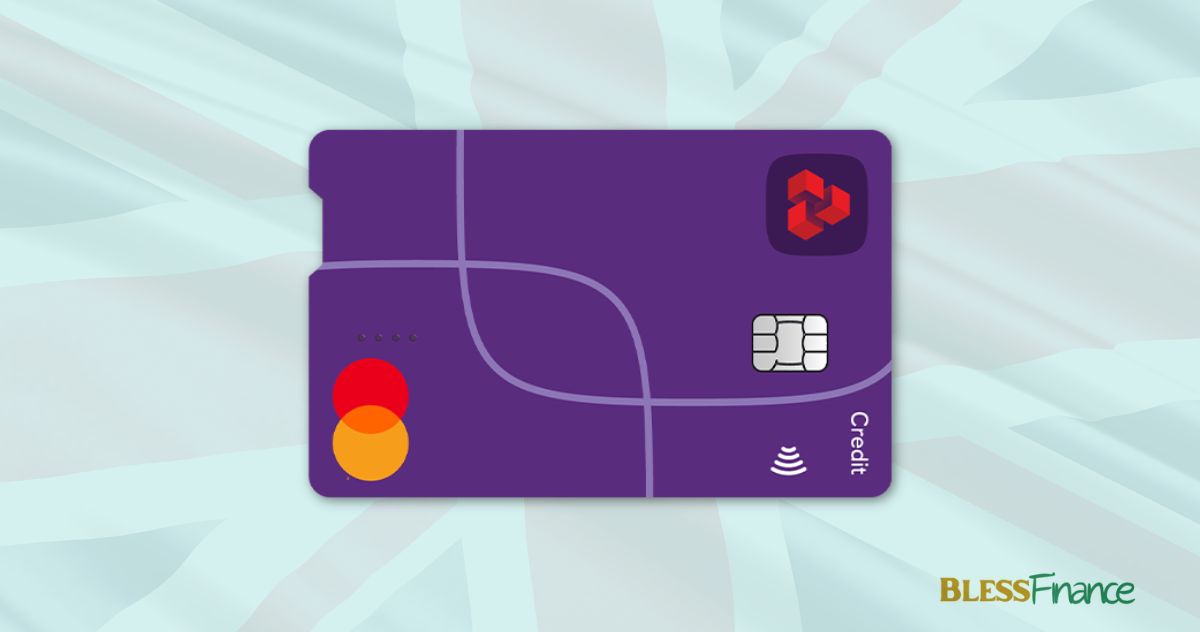
The promise of 19 months with zero interest from NatWest is a powerful draw for anyone looking to make a large purchase or clear existing debt.
This card offers a lengthy 0% period on both new spending and balances you transfer from other cards, making it an incredibly flexible financial tool. You could use it to fund home improvements and simultaneously consolidate expensive store card debt, all without paying a penny in interest for over a year and a half.
However, this flexibility comes with strict rules. Understanding the fees, the high interest rate that kicks in after the offer ends, and how to manage the card correctly is essential. Without a clear plan, a helpful tool can quickly become an expensive trap. This guide breaks down every detail to help you decide if it’s the right choice for your wallet.
How the 19-Month 0% Dual Offer Works
The main appeal of this card is its “matched” introductory offer. Unlike some cards that give you different 0% periods for purchases and transfers, NatWest provides the same long window for both. This simplifies your financial planning significantly.
Using the 0% Offer for New Purchases
For 19 months from the day your account is opened, any purchase you make will not accrue interest. This is ideal for spreading the cost of a significant, planned expense. Imagine you need a new laptop for work and a new sofa, costing a total of £2,500. On a standard credit card with a typical APR, interest would start adding up immediately, making the items far more expensive over time.
With the NatWest card, you can make that £2,500 purchase and pay it back in manageable instalments without any interest charges. By dividing the cost by the 19-month interest-free period (£2,500 / 19), you get a monthly repayment of around £132. This strategy allows you to get what you need now while paying for it in a structured, affordable way.
Using the 0% Offer for Balance Transfers
This is the card’s other key function: debt consolidation. If you have balances on other credit or store cards that are charging high interest rates, you are likely on a “debt treadmill” where most of your monthly payment is consumed by interest rather than reducing the actual debt. This card offers a way out.
You can transfer those existing debts over to the NatWest card. While there is an upfront fee for this service, the 19-month 0% period effectively pauses the relentless interest charges. This gives you valuable breathing room, as every pound you repay goes directly towards clearing your original debt. It can dramatically shorten the time it takes to become debt-free.
Important Rule: To qualify for the 0% interest rate, you must complete all your balance transfers within the first three months of opening the account.
The Costs and Fees You Must Understand
While the 0% offer is the headline feature, it’s the associated fees and the standard interest rate that determine the true cost of the card. Paying close attention to these details is non-negotiable.
- Representative APR: 24.9% (Variable). This is the high rate that applies after the 19-month offer ends.
- Balance Transfer Fee: 2.99% of the amount transferred. For every £1,000 you move, a £29.90 fee is added to your balance.
- Annual Fee: £0. There is no yearly cost for holding the card.
- Foreign Transaction Fee: 3% of the transaction value. This card is not suitable for use abroad.
- Late Payment Fee: £12. Missing a payment not only costs you this fee but can also terminate your 0% promotional rate immediately.
- Cash Advance Fee: 3% (minimum £3). Interest is charged from the moment you withdraw cash.
The Major Drawbacks to Consider Before Applying
This card is an excellent tool when used correctly, but it has several potential pitfalls that can prove costly if you are not prepared.
The High Revert Rate is the Main Trap
This is the single most critical point to understand. On day one of month 20, your 0% introductory period expires. Any balance remaining on the card, whether from purchases or transfers, will immediately begin to attract interest at the standard variable rate of 24.9% APR. This card is designed for short-term financial management, not for long-term borrowing beyond the promotional window.
The Balance Transfer Fee Isn’t Free Money
The 0% interest on balance transfers is a fantastic benefit, but the transfer itself is not free. You must pay a 2.99% fee upfront. If you transfer a £4,000 debt from another provider, a fee of £119.60 will be added to your new balance, making your starting debt on the NatWest card £4,119.60. While this is almost always cheaper than paying high interest elsewhere, you must factor this fee into your repayment calculations.
The Three-Month Transfer Window is Strict
This is a firm deadline. You must initiate all balance transfers within the first three months of your account opening. If you try to make a transfer in the fourth month, the 0% offer will have expired, and you will have missed the opportunity.
It’s a Poor Choice for Holidays
Do not use this card for spending overseas. The 3% foreign transaction fee will be applied to every purchase you make in a different currency. A £200 hotel bill in Europe would end up costing you £206. This card is designed for UK spending and debt management only.
A Simple Strategy to Pay Zero Interest
To use this card successfully and avoid all interest charges, you need a disciplined repayment plan from the very beginning. Follow these steps to ensure you clear your balance on time.
- Calculate Your Total Balance: Once you’ve made your large purchase and completed any balance transfers, add it all up. Remember to include the 2.99% transfer fee in your total. For example, a £2,000 purchase and a £3,000 transfer (with a £89.70 fee) gives you a total balance of £5,089.70.
- Determine Your Monthly Payment: Divide your total balance by the number of months in your 0% offer. In this case, that’s 19. So, £5,089.70 / 19 = £267.88 per month.
- Set Up a Fixed Direct Debit: Log in to your NatWest online banking or app and set up a Direct Debit to pay this exact fixed amount every month. Do not choose the “minimum payment” option. The minimum payment is calculated to keep you in debt for as long as possible, ensuring you have a large balance left when the 24.9% APR kicks in. Automating the correct payment guarantees your success.
Who Is Eligible for the NatWest Card?
As a leading product from a major UK bank, this card has relatively strict eligibility criteria. It is not designed for those who are new to credit or have a history of financial difficulty.
You will need to meet these requirements:
- Be aged 18 or over
- Be a permanent UK resident
- Have a minimum annual income of £10,000
- Not already hold two or more credit cards with NatWest, RBS, or Ulster Bank
This card is best suited for applicants with a good to excellent credit history. This typically means you have a track record of paying bills on time, are registered on the electoral roll, and do not have any recent defaults or County Court Judgements (CCJs).
How to Apply Without Harming Your Credit Score
NatWest offers an excellent application process that begins with an eligibility check, also known as a “soft search.” This allows you to see if you’re likely to be accepted—and the specific credit limit and offer you’ll receive—without leaving a mark on your credit file.
- Use the Eligibility Checker First: Always start with the “Check your eligibility” tool on the NatWest website. This performs a soft search that does not impact your credit score.
- Enter Your Details: You will need to provide personal information, including your address history for the last three years, your income, and your employment details.
- Receive Your Personalised Offer: The checker will give you an indication of your chances of acceptance and, crucially, will confirm the exact 0% offer length and credit limit you qualify for. Sometimes the offer may be slightly shorter than the headline 19 months, depending on your individual circumstances.
- Proceed to Full Application: If you are happy with the personalised offer, you can then proceed to the full application. This step will involve a “hard search,” which is recorded on your credit file and is visible to other lenders.
- Get a Final Decision: You’ll usually receive an instant decision, and if approved, your card will arrive in the post within a week.
Our Final Verdict: Is This the Right Card for You?
The NatWest Purchase and Balance Transfer Card is one of the most competitive “all-rounder” 0% cards available in the UK. Its long, matched introductory period makes it a superb choice for achieving specific financial goals, like funding a large project or clearing stubborn debt.
This card is an excellent choice if:
- You have a strong credit history and meet the income requirements.
- You need to make a large, planned purchase and want to spread the cost interest-free.
- You have expensive credit card debt that you are determined to pay off.
- You are disciplined and will set up a fixed Direct Debit to clear the full balance before the 0% offer ends.
However, you should look elsewhere if:
- You have a poor or limited credit history, as you are likely to be rejected.
- You tend to only make minimum payments, as the high revert rate will trap you in a cycle of debt.
- You are looking for a card that offers rewards, cashback, or travel perks.
- You need a card for spending abroad, as the foreign transaction fees are prohibitive.
About the author