MBNA Money Transfer Card: How It Works and the Critical Mistakes to Avoid
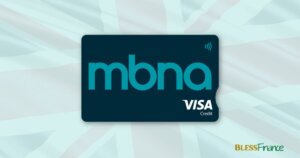
The MBNA Money Transfer Card offers a tempting proposition: move a lump sum of cash from your credit limit directly into your current account, all while paying 0% interest for a promotional period.
It’s a powerful financial tool, but it’s also one of the most specialised and misunderstood products on the market. This is not a standard credit card for shopping, nor is it designed for clearing other card debts.
Think of it as a cash-to-bank facility. It’s built for very specific situations, and using it correctly can save you a significant amount in interest charges. However, misunderstanding its purpose can lead to high fees and unexpected debt.
This detailed review breaks down exactly how the card works, who it’s for, the costs involved, and the costly traps you must avoid.
What is a Money Transfer and How Does It Work?
Before going any further, it’s crucial to understand what a money transfer is in this context. It is fundamentally different from other credit card transactions. MBNA allows you to request a transfer of funds from your available credit limit directly into your UK current account. This cash then becomes yours to use as you see fit.
The main appeal is the introductory 0% interest offer on this transferred amount. This gives you a window of time, often up to 12 months, to repay the sum without any interest accumulating. However, this service is not free. You pay a one-off, upfront fee for the privilege of accessing the 0% period. This fee is a percentage of the amount you transfer.
Let’s be perfectly clear on what a money transfer is not:
- It is not a balance transfer. A balance transfer is used to pay off debt on another credit card. This card does not have a 0% offer for that.
- It is not a cash advance. A cash advance involves withdrawing money from a cash machine using your credit card, which incurs extremely high fees and interest from day one.
The money transfer is a pre-arranged, online transaction designed to put cash in your bank for a specific purpose.
The Two Scenarios Where This Card Excels
This card is a specialist tool, and it truly shines in two particular situations. If your financial need doesn’t fall into one of these categories, this is almost certainly the wrong product for you.
Use Case 1: Escaping an Expensive Overdraft
This is the single best reason to get this card. Many high street banks charge punishingly high interest rates on overdrafts, often around 39.9% APR. If you are stuck in your overdraft, it can feel like a debt trap, as interest charges make it difficult to clear the balance. Since you can’t pay off an overdraft with a standard credit card purchase, you need a different solution.
The MBNA Money Transfer Card provides the perfect escape hatch. For example, if you have a £1,500 overdraft costing you 39.9% in interest, you could apply for this card. You would request a £1,500 money transfer to your current account.
Once the cash arrives, you immediately use it to clear the overdraft in full. You have now swapped a 39.9% debt for a 0% debt, giving you a breathing room of up to 12 months to pay it back. The upfront transfer fee is a small price to pay to halt the crippling overdraft interest.
Use Case 2: Funding a Purchase That Requires Cash
The other primary use is for large, one-off payments where a credit card is not accepted. Many essential expenses still require a direct bank transfer, leaving you without the flexibility of paying over time.
Common examples include:
- Paying a deposit for a wedding venue or caterer.
- Paying a builder, plumber, or other tradesperson for home improvements.
- Buying a used car from a private seller who only accepts a bank transfer.
In these cases, the card acts like a flexible personal loan. You transfer the required amount to your bank, make the payment, and then repay MBNA over the 0% promotional period. This gives you the ability to fund essential projects or purchases without draining your savings or taking out a traditional loan.
Understanding the Costs: The Upfront Fee is Key
The 0% interest period is the main benefit, but it comes at a cost. MBNA charges a one-off money transfer fee, which is typically advertised as being from 4% of the amount you move. The exact percentage you are offered will depend on your credit history and the specific offer available when you apply.
Let’s run through a quick example. If you need to transfer £3,000 to clear an overdraft:
£3,000 (transfer amount) x 4% (fee) = £120 (upfront cost)
This £120 fee is added to your balance immediately. So, you would start your 0% promotional period owing MBNA a total of £3,120. You are effectively paying £120 for an interest-free loan for up to a year. When compared to the hundreds of pounds you might pay in overdraft interest over the same period, this trade-off is often highly favourable.
The Dangers: What This Card Is NOT For
This is the most important section of this review. Using this card for anything other than its intended purpose is a costly mistake. The standard interest rates and fees outside of the promotional money transfer offer are very high.
It Is NOT a Purchase Card
This card has no 0% introductory period on new purchases. If you use it for your weekly shop at Sainsbury’s, to buy something on Amazon, or to pay for petrol, you will be charged the high standard purchase rate (e.g., 24.9% APR) from the moment of the transaction. The card is designed for one big money transfer; after that, it should be kept in a drawer and not used for daily spending.
It Is NOT a Balance Transfer Card
This is the most common and disastrous misunderstanding. Seeing the word “transfer” might lead you to believe you can move a balance from an old Barclaycard or HSBC credit card. You cannot do this at a 0% rate.
If you attempt a balance transfer, you will be charged a high fee (often 5%) and the standard purchase APR will apply immediately. This would be a financially damaging move.
It Is NOT a Travel Card
With a non-sterling transaction fee of around 2.99%, this is a terrible card to use on holiday. For every £100 you spend abroad, you’ll be charged an extra £2.99. Specialist travel cards or challenger bank debit cards offer fee-free spending abroad, making them a much smarter choice.
Check Your Eligibility Without Harming Your Credit Score
One of the standout features of MBNA’s application process is its “Clever Check” tool. This is an eligibility checker that performs a “soft search” on your credit file. A soft search allows MBNA to see your credit history and decide if they can offer you a card, but it is invisible to other lenders and has no impact on your credit score.
This removes all the guesswork and risk from applying. The tool will give you a definitive yes or no. More importantly, if you are pre-approved, it will tell you the exact 0% period you’ll get, your guaranteed credit limit, and the precise money transfer fee you’ll be charged. This allows you to make an informed decision before committing to a full application and the “hard search” that comes with it.
How Does It Compare to the Alternatives?
To decide if this card is right for you, you must compare it to other financial products designed for borrowing cash.
MBNA Money Transfer Card vs. a Personal Loan
A personal loan from a bank or building society also provides cash in your account. A loan typically has no upfront fee but charges interest (APR) from day one. The MBNA card has an upfront fee but a 0% interest period. For a £3,000 loan over 12 months, the £120 fee on the MBNA card might be cheaper than the total interest paid on a personal loan with an 8% APR.
The card offers repayment flexibility (you can pay the minimum one month and a larger amount the next), whereas a loan has fixed monthly repayments. The loan’s advantage is discipline and a potentially lower rate if you need more than a year to repay.
Links externos:
https://www.mbna.co.uk/credit-cards/money-transfer-credit-cards.html
MBNA Money Transfer Card vs. a 0% Balance Transfer Card
These products do completely different jobs. If your debt is on another credit card, a 0% balance transfer card is the correct tool and is usually much cheaper (some even have no transfer fee). If your debt is a bank overdraft or you need cash for a purchase, a balance transfer card is useless, and the money transfer card is the right choice.
Who is Eligible to Apply?
MBNA targets customers with a good credit history, so this is not a card for building or repairing your credit score. The general eligibility criteria are:
- You must be 18 or over and a permanent UK resident.
- You need to have a UK bank or building society account.
- You must have a regular income and not be unemployed.
- You should have a good credit history, with no recent defaults, CCJs, or bankruptcy.
- You cannot have been declined for an MBNA card in the last 30 days.
The best way to know for sure is to use the no-risk eligibility checker on their website.
Our Final Verdict: A Niche Product for a Specific Need
The MBNA Money Transfer Credit Card is a superb financial tool when used for its intended purpose. It is not an all-rounder; it is a specialist instrument designed to solve a specific problem.
This card is perfect for you if:
- You are trapped in an expensive bank overdraft and need an effective way to clear it and stop paying high interest.
- You need to fund a large, one-off purchase from a seller who only accepts a bank transfer, and you want to spread the cost interest-free.
- You are financially disciplined enough to make the one transfer, put the card away, and focus on repaying the balance before the 0% offer ends.
You should avoid this card if:
- You want to clear debt from another credit card. A 0% balance transfer card is what you need.
- You are looking for a card for everyday spending. A 0% purchase card or a cashback card would be a far better choice.
- You need a card for travelling abroad. A specialist travel card will save you a fortune in fees.
In short, for clearing an overdraft, this card is arguably the best tool on the market. For almost everything else, there are better, cheaper alternatives available.
About the author