MBNA’s 0% Debt Tools: A Deep Dive Into the Fees & 0% Offer Traps – Nova Master | Your Guide to Choosing the Right Card
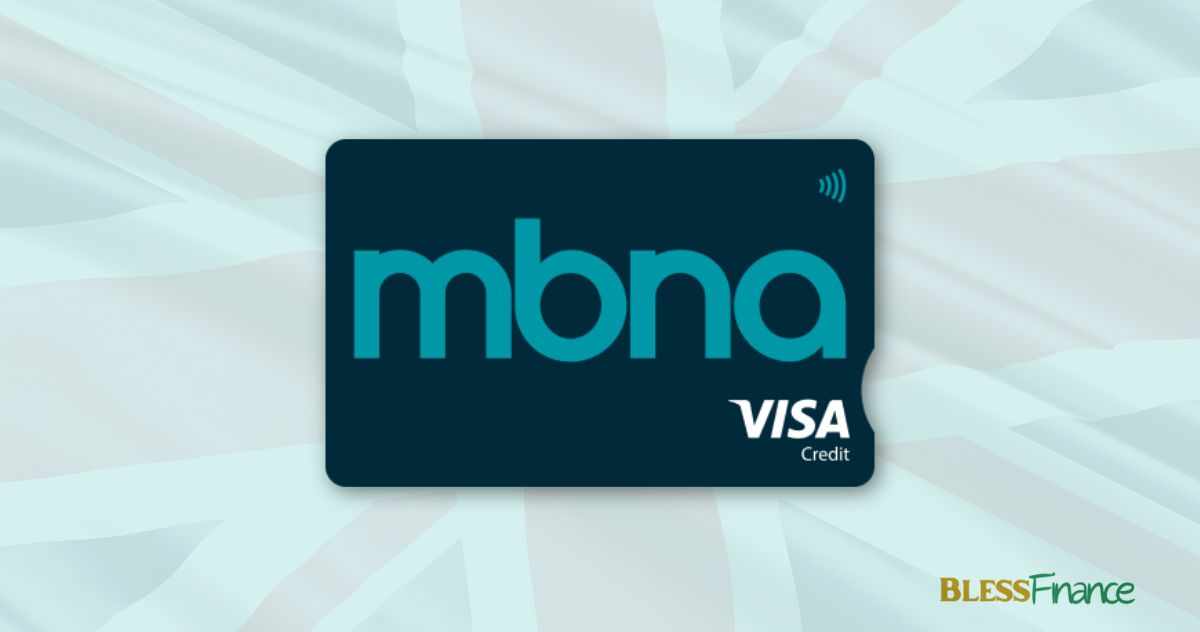
The promise of a long 0% interest period on an MBNA balance transfer card is a powerful lure for anyone looking to clear debt. But MBNA doesn’t just offer one solution; it presents a critical choice between two distinct types of cards.
One offers a very long interest-free window but comes with an upfront transfer fee. The other scraps the fee entirely but gives you a much shorter 0% period.
Deciding which is the right tool for your situation is crucial. Is it better to secure more time to repay your debt, or to save money on the initial fee? This guide breaks down every detail of MBNA’s offering, exploring the maths behind each card, the hidden traps you must be aware of, and the clear strategy to determine which option will help you become debt-free faster.
A Tale of Two Cards: Understanding Your Options
MBNA’s approach isn’t about a single, one-size-fits-all card. It’s a specialist toolkit designed for different debt scenarios. Your choice depends entirely on the size of your outstanding balance and how quickly you can realistically pay it off.
Option 1: The Long 0% Offer Card (with a Transfer Fee)
This is MBNA’s primary tool for tackling large, persistent debts. It’s designed to give you the maximum breathing room possible to chip away at what you owe without interest piling up. The trade-off is a one-off fee for the transfer.
Let’s look at the numbers. Imagine you have a £5,000 balance on a high-interest credit or store card.
- You transfer this balance to the long-offer MBNA card. You’ll pay a transfer fee, typically around 3.49%. This adds £174.50 to your debt, making your new balance £5,174.50.
- In return, you receive a long 0% interest period, for example, up to 26 months.
- To clear the entire debt within this period, your monthly payment would be approximately £199 (£5,174.50 divided by 26).
Paying a fee of under £175 to halt interest charges for over two years is an excellent financial move, potentially saving you over a thousand pounds compared to leaving the debt on a high-APR card. This card effectively buys you valuable time.
Option 2: The 0% Fee Card (with a Shorter 0% Offer)
This card is the sprinter in MBNA’s lineup. It’s built for smaller, more manageable debts that you are confident you can clear relatively quickly. Its main advantage is that it costs you nothing to move your balance across.
Let’s run the numbers again, this time with a £1,500 balance.
- You transfer the full amount to this card. The transfer fee is 0%, so your new balance remains exactly £1,500.
- You receive a shorter 0% interest period, for example, up to 12 months.
- To clear the debt within this timeframe, your monthly payment would be £125 (£1,500 divided by 12).
This option is perfect for clearing smaller balances where paying a percentage-based fee would feel disproportionate. This card is designed to save you money on the transfer itself.
The Smart Way to Choose: A Clear Strategy
The decision boils down to simple arithmetic and an honest assessment of your finances. Here is our expert guidance to help you make the right call.
Choose the “0% Fee Card” (Shorter Offer) if:
Your total debt is relatively small, perhaps under £2,000, AND you are completely certain you can afford the monthly repayments to clear it entirely within the shorter 0% window. This approach saves you paying a fee you don’t need to.
Choose the “Long 0% Offer” (Fee Card) if:
Your debt is larger, perhaps over £2,000, AND you require more than a year to pay it off without financial strain. In this scenario, the one-off transfer fee is a small price to pay for the extra 12 to 14 months of 0% interest it provides.
THE GOLDEN RULE: Both cards typically come with a very short 0% introductory offer on new purchases (e.g., three months). You must never use these cards for spending after this initial period. This is the single biggest trap, which we explain in detail below. Treat these cards purely as debt management tools, not for daily spending.
The Hidden Dangers: Traps to Avoid Before You Apply
These cards are highly effective when used correctly. However, if you stray from their primary purpose of clearing a transferred balance, they can become very expensive. Here are the key pitfalls to watch out for.
Drawback 1: The Mismatched Offer and Payment Trap
This is the most significant risk associated with both MBNA cards. While your 0% balance transfer offer might last for 12 or even 26 months, the 0% offer on new purchases is typically for a much shorter period, such as three months. If you buy something as small as a coffee in month four, that new purchase will immediately begin to accrue interest at the high standard rate of around 24.9% APR.
Worse still, due to ‘payment hierarchy’ rules, your monthly payments are often allocated to the debt with the lowest interest rate first.
This means your payments will continue to clear the 0% transferred balance, while your new, high-interest purchase balance sits there accumulating costly interest for months or even years. The solution is simple: do not use this card for new spending. Once the transfer is complete, put the physical card in a drawer.
Drawback 2: The High Revert Rate
The 0% period is not indefinite. The day after your introductory offer expires, any remaining balance on the card will revert to the standard purchase APR, which can be very high. This is the financial ‘cliff edge’ you must avoid. It is essential to have a solid plan, such as a standing order or Direct Debit, to ensure the full balance is cleared before this date.
Drawback 3: Steep Cash Advance and Foreign Transaction Fees
Using this card for cash withdrawals is incredibly expensive. MBNA charges a fee of 5% of the amount withdrawn (with a £5 minimum), which is higher than many competitors. Interest on cash advances is charged instantly at the full APR. Similarly, this is not a card for holidays.
Using it abroad will incur a 2.95% non-sterling transaction fee on every purchase. A £100 meal would cost you £102.95. Leave this card at home when you travel.
Drawback 4: The 60-Day Transfer Window
The 0% introductory offer on balance transfers is a ‘use it or lose it’ deal. You must complete all your intended transfers within the first 60 days of opening the account. Any transfers made after this window will not be eligible for the promotional rate.
A Full Breakdown of Fees and Charges
Here are the key costs associated with both MBNA balance transfer cards. Note that aside from the introductory balance transfer offer, the rates and fees are generally identical.
- Representative APR: 24.9% APR (Variable). This is the rate that applies after the 0% period ends.
- Annual Fee: £0. Neither card has an annual fee.
- Introductory Balance Transfer Rate (Long Offer): 0% for a promotional period (e.g., up to 26 months) on transfers made in the first 60 days.
- Balance Transfer Fee (Long Offer): A percentage of the transfer amount, typically 3.49%.
- Introductory Balance Transfer Rate (No Fee Offer): 0% for a shorter promotional period (e.g., up to 12 months) on transfers made in the first 60 days.
- Balance Transfer Fee (No Fee Offer): 0%.
- Introductory Purchase Rate: 0% for a very short period, such as 3 months. This is the key trap to avoid.
- Cash Advance Fee: 5% of the amount (minimum £5 charge).
- Foreign Transaction Fee: 2.95% of the transaction value.
- Late Payment Fee: £12.
Are You Eligible for an MBNA Card?
MBNA cards are aimed at customers with a solid credit history, so the eligibility criteria are stricter than for credit-builder cards. Before applying, it’s wise to check your credit file with a credit reference agency.
You must meet these minimum requirements:
- Be aged 18 or over.
- Be a permanent resident of the UK.
- Have a regular annual income.
This card is most suitable for you if:
- You have a good or excellent credit history, with no recent missed payments or county court judgments (CCJs).
- You are not currently in an Individual Voluntary Arrangement (IVA) or Debt Management Plan.
- You are not attempting to transfer a balance from another card within the Lloyds Banking Group, which includes Lloyds Bank, Halifax, and Bank of Scotland.
How to Apply Using the ‘Soft Check’ Tool
One of the best features of applying with MBNA is its eligibility checker, known as ‘Clever Check’. This tool performs a ‘soft search’ on your credit file, which does not affect your credit score. It gives you a clear indication of your chances of acceptance and the specific offer you’re likely to receive.
- Visit the MBNA Website: Navigate to the balance transfer credit card section to view the current offers.
- Use the ‘Clever Check’ Tool: Click the button to check your eligibility. This will take you to a secure form.
- Provide Your Details: You will need to enter personal information, including your name, date of birth, address history for the last three years, and income details.
- Receive Your Personalised Offer: The tool will then tell you your likelihood of being accepted, which card(s) you are eligible for, your guaranteed 0% period, and your potential credit limit. This removes the guesswork before you commit to a full application.
Our Final Verdict: Is an MBNA Card Right for You?
The MBNA balance transfer offering is a powerful and specialised toolkit from one of the UK’s major banking groups. The clear choice between paying a fee for more time or paying no fee for less time, combined with the transparency of its ‘soft check’ tool, makes it a compelling option for disciplined borrowers.
This card is an excellent choice if:
- You have a good credit score and a reliable income.
- You have a clear debt-repayment plan and have calculated whether the fee or no-fee option is more cost-effective for you.
- You are disciplined enough to avoid using the card for new purchases and can set up a Direct Debit to clear the balance before the 0% offer ends.
- You value the certainty of knowing your exact offer upfront via the eligibility checker.
You should look elsewhere if:
- You need an all-round credit card for spending as well as balance transfers.
- You tend to be disorganised with payments or only ever pay the minimum amount required.
- You need a card for cash withdrawals or for use when travelling abroad.
- The debt you want to transfer is currently with Lloyds Bank, Halifax, or Bank of Scotland.
About the author