Marbles Card: An Honest UK Review for Building Your Credit Score
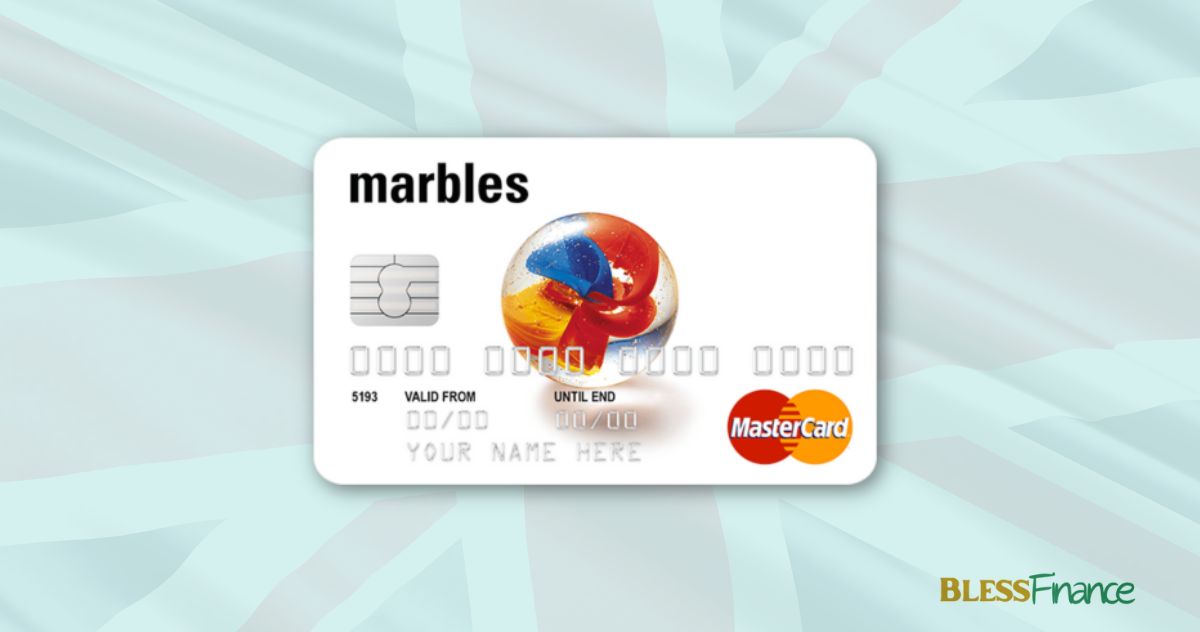
If you’ve been turned down for credit by a high-street bank, the Marbles card might have appeared on your radar. It’s a familiar name in the UK’s credit-builder market, offering a potential ‘yes’ when others have said ‘no’. But securing approval is only the beginning.
This type of card is a serious financial tool, and using it incorrectly can be incredibly expensive.
This review cuts through the marketing to give you a clear, unvarnished look at the Marbles card. We’ll examine the very high interest rate, the list of penalty fees, the low initial credit limits, and the single, specific purpose this card is designed for.
By the end, you’ll understand whether it’s the right tool to help you build a stronger financial future or a potential debt trap you should steer clear of.
What is the Marbles Card and Who Is It For?
The Marbles card, issued by NewDay Ltd, is a credit-builder credit card. It’s not designed for rewards, perks, or cheap borrowing. Its sole function is to help you build or rebuild your credit history. NewDay is legally required to report your account activity to the three main UK credit reference agencies: Experian, Equifax, and TransUnion. Consistent, positive reporting is what gradually improves your credit score.
This card is specifically aimed at individuals who are often excluded from mainstream credit products. You are the target audience if you:
- Are over 18 and a permanent UK resident.
- Have a UK bank or building society account.
- Have been rejected for credit by major banks like Lloyds, Barclays, or NatWest.
- Have a low credit score, often labelled as ‘poor’ or ‘bad’.
- Have a ‘thin’ credit file with little to no borrowing history.
- Have some past financial difficulties, though recent CCJs or bankruptcies will likely lead to a rejection.
- Have not opened another NewDay card (such as Aqua, Fluid, or Bip) in the last twelve months.
How to Use the Marbles Card to Improve Your Credit Score
Using a credit-builder card correctly is crucial. Mismanagement will damage your score, defeating the entire purpose of getting the card. To ensure you use it safely and effectively, follow this proven method:
- Make one small, regular purchase each month. Once the card arrives, use it to pay for a small, predictable expense. This could be a streaming subscription like Netflix, your Spotify account, or a single £20 fuel purchase. The amount should be small and easily affordable.
- Set up a Direct Debit to pay the balance in full. This is the most important step. As soon as the transaction appears on your account, log in to the Marbles app or website and set up a Direct Debit to pay your statement balance in full every month. This automates the process and ensures you never miss a payment or incur interest.
- Put the card away. After setting up your small recurring payment and the Direct Debit, place the physical card in a safe place, like a drawer. Do not use it for general spending, impulse buys, or emergencies. Its job is to report positive payment history, not to be a source of funds.
By following this simple routine for six to twelve months, you demonstrate to lenders that you are a reliable and low-risk borrower. This is the behaviour that builds a positive credit history and eventually unlocks access to better, more affordable financial products.
Understanding the Full Cost: Fees and Interest Charges
The access to credit that Marbles provides comes at a price, primarily through high interest rates and penalty fees. You must be fully aware of these costs before applying, as they can quickly accumulate if you are not careful.
The card is built on a traditional model where mistakes are costly. Here are the key charges to be aware of:
- Representative APR: A very high 34.9% APR (variable) on purchases. This rate means carrying a balance is extremely expensive and should be avoided at all costs.
- Annual Fee: £0. The card has no annual fee, which is a positive point.
- Late Payment Fee: £12. If you miss your minimum payment deadline, you will be charged this fee, and the missed payment will be reported to credit agencies.
- Over-Limit Fee: £12. If you spend more than your allocated credit limit, even by a small amount, this fee will be applied.
- Foreign Transaction Fee: 2.99%. For every transaction you make in a foreign currency, a fee of 2.99% of the transaction value is added. This makes it a very poor choice for use abroad.
- Cash Advance Fee: 3% (with a minimum charge of £3). Using the card to withdraw cash is strongly discouraged due to this upfront fee and immediate interest charges.
The Major Drawbacks You Must Consider
While the Marbles card can be a useful tool, it comes with significant disadvantages that can cause financial harm if not managed properly. You must go into this with your eyes wide open.
- The APR is dangerously high. The representative 34.9% APR is not designed for borrowing. It is a punitive rate for those who carry a balance. To put it in perspective, carrying a balance of just £500 for a year could cost you over £170 in interest alone. This is how debt spirals start. You must pay the balance in full every month without exception.
- It is a fee-heavy card. The business model relies on penalty fees. Miss a payment by a day, and you face a £12 charge. Go over your small credit limit by £1, and another £12 charge is added. This can feel punitive, especially for those on tight budgets whom the card is meant to help.
- It is one of the worst cards for travel. The 2.99% foreign transaction fee is an expensive, old-fashioned charge. For every £100 you spend on holiday, Marbles will add £2.99. In contrast, many modern bank accounts and some specialist credit cards charge 0%. Do not take this card on holiday.
- Cash withdrawals are a financial trap. Using this card at a cash machine should be considered a last resort. You are hit with an immediate 3% fee, and interest starts accruing at the high APR from the moment you take the cash, with no interest-free period. It is one of the most expensive ways to access cash.
- There are no rewards or perks. You will not earn cashback, points, or any other benefits. The only “reward” is the long-term goal of a better credit score, which requires patience and discipline.
How to Apply for the Marbles Card Safely
Protect your credit score by following these steps:
- Use the Eligibility Checker: Visit the official Marbles website and run the soft search first.
- Review Your Offer: Check the credit limit and APR offered to you (it might vary).
- Complete the Application: Proceed to the full application only if you are pre-approved.
- Set Up Direct Debit: Once approved, set up a Direct Debit to pay the full balance automatically each month.
Marbles Card vs. Other UK Credit Builders
The credit-builder market has evolved, so how does Marbles compare to its rivals? It sits firmly in the ‘traditional’ camp, alongside other established names.
Marbles vs. Modern Fintech Alternatives
Modern alternatives, often from fintech companies, operate on a different model. They tend to have no penalty fees for late payments or for exceeding your credit limit, and often have no foreign transaction fees either.
This makes them a much safer and more user-friendly option for someone trying to build credit, as a simple mistake won’t result in extra charges. The fee structure of the Marbles card looks dated in comparison.
Marbles vs. Aqua or Capital One
Aqua (also owned by NewDay) and Capital One are the direct competitors to Marbles. They operate on the exact same traditional model: high representative APRs, low starting credit limits, and a full suite of penalty fees for late payments or going over your limit.
There is very little to distinguish between these cards. The best approach is to use the eligibility checkers for each to see which provider is willing to accept you.
The Final Verdict: Is the Marbles Card a Good Choice?
The Marbles card is a functional, no-frills tool that serves one purpose: to provide access to the credit system for those who have been excluded. For someone with a poor or non-existent credit history, it can be a crucial first step towards building a positive financial record.
However, it is a product from a bygone era of credit cards. Its model is based on high interest rates and penalty fees that can easily trap the unwary. It demands absolute discipline from the user.
This card is a good fit for:
- Those who need access above all else. If you’ve been declined elsewhere and need a way to start building a credit history, it serves its purpose.
- The highly disciplined user. If you are completely confident that you can follow the ‘small purchase and pay in full’ method without fail, the card’s drawbacks can be avoided.
You should avoid this card if:
- You think you might carry a balance. If you plan to use it for spending that you can’t clear immediately, the 34.9% APR will become a significant financial burden. This is not a card for borrowing.
- You are not well-organised with your finances. The £12 penalty fees for late payments or exceeding your limit can quickly add up if you are prone to making small mistakes.
- You travel abroad. The 2.99% foreign transaction fee makes it an expensive choice for overseas use.
In conclusion, the Marbles card works, but it is an unforgiving tool. If you decide to get it, treat it with respect. Use it for one small transaction a month, set up a Direct Debit to pay it off in full, and focus on your long-term goal of building a better credit score.
About the author