Virgin Money Everyday Cashback Card: An excellent travel companion with underwhelming daily rewards
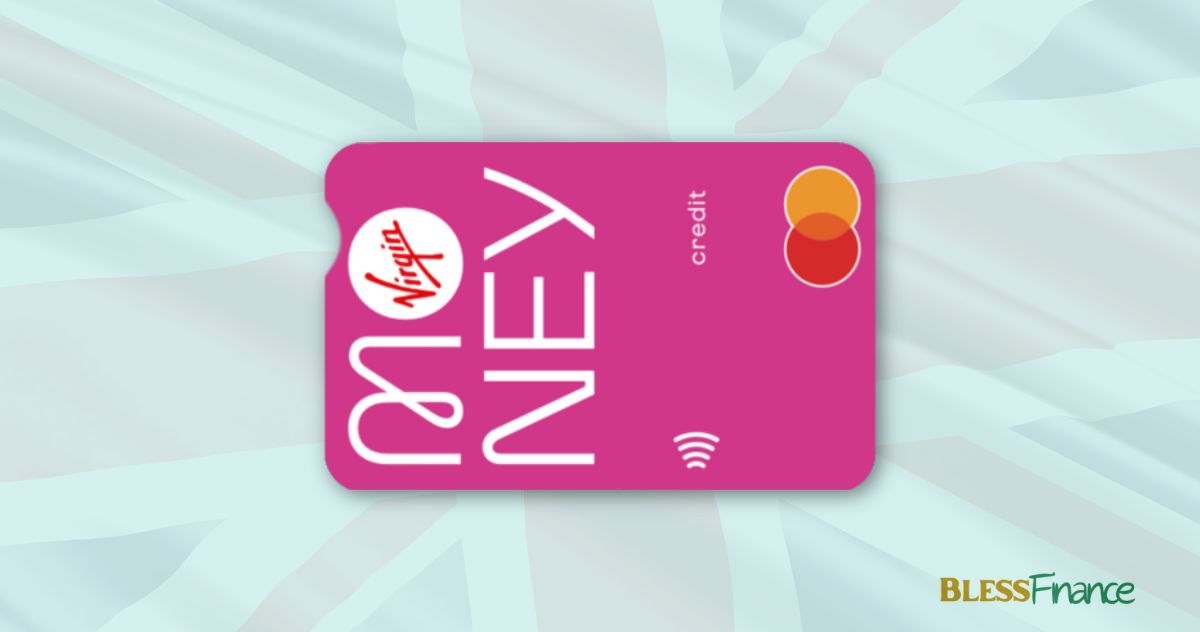
The Virgin Money Everyday Cashback Card presents a compelling offer, particularly for those who frequently travel abroad. Its headline features are simple: cashback on your spending and, crucially, no foreign transaction fees.
While this combination sounds like the perfect all-in-one solution, a closer look reveals a card with a split personality. It excels as a tool for overseas spending but falls short as a primary card for earning rewards on your daily purchases in the UK.
This detailed review breaks down every aspect to help you decide if its strengths align with your financial habits.
What Are the Main Benefits?
This card’s value is built on a few key pillars, with one standing out significantly above the others. Understanding these benefits is essential to using the card effectively.
Fee-Free Spending Abroad
This is undoubtedly the card’s most valuable and enduring feature. The Virgin Money Everyday Cashback Card charges no foreign transaction fees on any purchases made in a currency other than sterling.
Most standard credit and debit cards from major UK banks will charge a non-sterling transaction fee of around 2.75% to 2.99%. This means that for every £1,000 you spend on hotels, restaurants, or shopping on holiday, you could be paying almost £30 in extra fees.
With this card, that cost is zero. You get the benefit of the Mastercard exchange rate without any additional charges from Virgin Money. This feature alone can save a typical family a significant amount of money on a single overseas trip, making it a powerful tool for any holidaymaker or frequent traveller.
No Annual Fee
Simplicity is a key advantage here. The card has no annual fee, which means you can hold it purely for its travel benefits without it costing you anything. It can sit in your wallet all year, ready for your next trip, without you having to worry about justifying a yearly cost. This makes it an ideal secondary card dedicated solely to overseas use.
How the Cashback Really Works
The cashback offer is the card’s main marketing hook, but it’s structured as an introductory incentive rather than a long-term competitive reward. It’s crucial to understand the two distinct phases of the cashback rate.
- An introductory boost: For the first 90 days from opening your account, you earn 1% cashback on all eligible spending. This is a solid rate and can be useful if you have a large purchase planned, such as booking a holiday or buying new furniture.
- The standard long-term rate: After the initial 90-day period, the cashback rate drops significantly to just 0.25% on all spending.
To put this into perspective, spending £1,000 a month would earn you £10 each month during the introductory period. However, after three months, the same spending would only generate £2.50 in cashback.
While any reward is better than none, a rate of 0.25% is very low compared to other dedicated rewards cards on the market. The cashback you earn is conveniently credited to your statement automatically each month.
Boosting Earnings with the Virgin Money Cashback Portal
Separate from the card’s standard cashback rate, cardholders gain access to the Virgin Money Cashback portal through the mobile app. This platform functions similarly to dedicated cashback sites like Quidco or TopCashback. You can browse offers from a wide range of retailers and, by clicking through the portal’s link before making a purchase, you can earn an additional, often much higher, rate of cashback.
For example, you might find an offer for 6% cashback at a major department store. The key benefit is that this reward stacks with your card’s standard rate. You would earn the 6% from the portal offer plus the 0.25% from using your card. This is a valuable perk that can significantly increase your rewards on planned online shopping.
A Transparent Look at Fees and Interest Rates
While the card is free to own and use abroad, it carries significant costs if you don’t manage your balance correctly. The fee structure is straightforward, but the high interest rate is a critical factor to be aware of.
- Representative APR: The variable representative APR is 27.9%. This is a high rate, underscoring that this card is designed for spending and repaying in full, not for borrowing.
- Annual Fee: £0.
- Foreign Transaction Fee: £0 on purchases.
- Cash Advance Fee: A fee of 5% (minimum £5) applies to cash withdrawals in the UK. While the fee is waived for withdrawals abroad, interest is charged immediately.
- Late Payment Fee: A standard £12 fee is charged for missed or late payments.
The high APR means that any interest you accrue will quickly eliminate the value of any cashback you’ve earned. This card should always be paid off in full each month by Direct Debit to avoid these charges.
The Important Drawbacks You Must Understand
No card is perfect, and this one’s flaws are directly related to its strengths. It is a specialist travel card masquerading as an all-rounder.
The Very Low Standard Cashback Rate
This is the single biggest weakness. Once the 1% introductory offer expires, the ongoing 0.25% rate is uncompetitive. Other cards on the market offer flat rates of 0.5% or even 1% as standard. For your everyday spending in the UK, this card is a poor choice for maximising rewards. Its primary purpose shifts from earning cashback to saving on overseas fees after the first three months.
The High Representative APR
As mentioned, the 27.9% APR makes this an unsuitable product for borrowing. It does not offer a 0% introductory period on purchases or balance transfers. If you need to spread the cost of a large purchase or consolidate existing debt, you should look for a card specifically designed for that purpose, as this one would prove very expensive.
The Cash Withdrawal Interest Trap
This is a subtle but critical point for travellers. Virgin Money generously waives the cash advance fee for withdrawals abroad, which is a rare perk. However, it does not waive the interest. Interest begins to accrue at a high rate from the very moment you withdraw the cash, with no interest-free grace period as you get with purchases. This feature should only be used in a genuine emergency, and the amount should be repaid as quickly as possible, ideally on the same day via the app.
Are You Eligible to Apply?
Virgin Money positions this as a prime credit card, so you will need a solid financial standing to be accepted. The eligibility criteria are designed to ensure applicants can manage credit responsibly.
You will generally need to meet the following requirements:
- Be at least 18 years old.
- Be a permanent resident of the UK.
- Hold a UK bank or building society account.
- Have a good credit history, with a track record of managing debt and paying bills on time.
- Have a regular income from employment or a pension.
- You cannot already hold another credit card with Virgin Money or Clydesdale Bank.
This card is not intended for students, those who are unemployed, or individuals looking to build their credit history for the first time.
How to Apply
The application process is completed online and includes a feature that can protect your credit score. The best first step is to use an eligibility checker, or “soft check,” which can indicate your likelihood of being approved without leaving a mark on your credit file that other lenders can see. You can find eligibility checkers on comparison sites or by visiting the provider’s website directly.
If the soft check indicates you are likely to be accepted, you can proceed with the full application. This final step will involve a “hard search” on your credit file, which is recorded on your report.
Virgin Money vs. The Competition
To understand its place in the market, it’s helpful to compare this card to two common alternatives.
Against a High-Rate Cashback Card
Cards like the American Express Platinum Cashback offer a much higher ongoing cashback rate, often 1% or more after an introductory period. For maximising rewards on UK spending, an Amex card is almost always superior.
However, it comes with two major drawbacks: a hefty 2.99% foreign transaction fee, making it unsuitable for travel, and the fact that American Express is not as widely accepted as Mastercard, especially by smaller businesses. The optimal strategy for a rewards enthusiast is often to hold both: an Amex for UK spending and the Virgin Money card for travel.
Against Other Travel-Friendly Cards
Other providers also offer cards with no foreign transaction fees. For example, some cards from providers like Halifax or Barclaycard also offer this perk. The key difference often lies in the other features. The Virgin Money card’s combination of no annual fee, no foreign transaction fees, and a simple (if low) cashback structure makes it a very straightforward and cost-effective option for a dedicated travel card.
Our Final Verdict: A Superb Travel Card, A Weak Rewards Card
The Virgin Money Everyday Cashback Card is a product of two halves. Its value proposition is crystal clear: it is one of the best and most straightforward Mastercards available for spending money abroad, thanks to its combination of no foreign transaction fees and no annual fee. However, its identity as a “cashback card” is weak. The 0.25% long-term rate is simply too low to be competitive for everyday UK spending.
This card is an excellent choice if:
- You travel overseas at least once a year and want to avoid paying currency conversion fees.
- You want a simple, fee-free Mastercard that is accepted globally.
- You have a good credit history and always pay your credit card bill in full each month.
- You are looking for a secondary card to use specifically for holidays.
You should look elsewhere if:
- Your main goal is to earn the highest possible cashback on your daily spending.
- You need to borrow money or spread the cost of a large purchase.
- You rarely or never travel outside the UK.
- You tend to carry a balance on your credit card from one month to the next.
About the author