Capital One Classic Mastercard: A Detailed UK Review for Building Your Credit Score
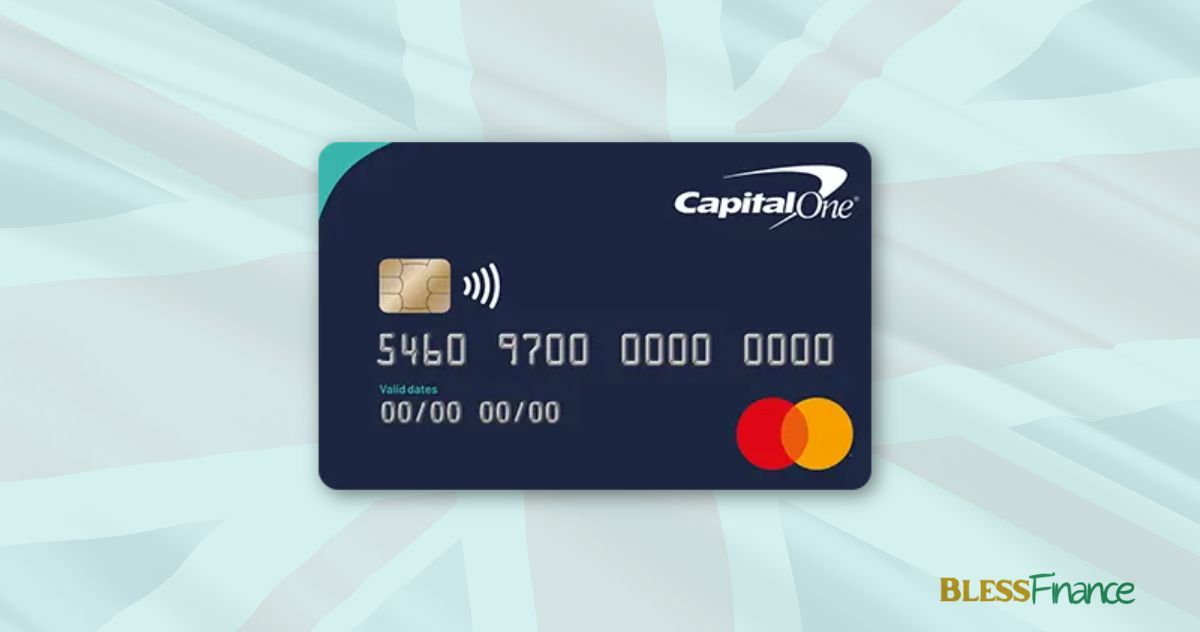
The Capital One Classic Mastercard is one of the most established credit-builder cards in the UK, often serving as a first step for those who have been turned away by high-street banks. It is designed with a single, clear purpose: to help you build or rebuild your credit history.
This is not a card for everyday borrowing, rewards, or travel perks. It is a specialist tool that, when used correctly, can unlock better financial products in the future.
This comprehensive review breaks down exactly how the card works, its significant costs, the potential pitfalls you must avoid, and who it is genuinely suitable for. We will explore its features, fees, and how it stacks up against more modern alternatives to help you decide if it is the right choice for your financial journey.
What is the Capital One Classic Card Designed For?
This card has no frills like cashback or air miles. Its features are entirely focused on the task of improving your credit profile. Understanding these is key to using the card effectively.
Building a Positive Credit History
The primary reason to get this card is to demonstrate responsible borrowing. Capital One reports your account activity, including every payment you make on time, to the three main UK credit reference agencies: Experian, Equifax, and TransUnion.
Consistent, timely payments show lenders that you are a reliable borrower, which gradually improves your credit score over time.
To make this work, you must be disciplined. The safest method is to use the card for one small, regular purchase each month, such as a streaming subscription or a single tank of petrol. Immediately after, set up a Direct Debit to pay the statement balance in full every month. This ensures you never miss a payment or incur interest, sending the strongest possible positive signal to the credit agencies.
A Cautious Starting Credit Limit
You will be offered an initial credit limit between £200 and £1,500. Most new applicants with a limited or poor credit history should expect an offer at the lower end of this range. While this may seem restrictive, it is a crucial safety feature. A low limit prevents you from accumulating a large, unmanageable debt on a high-interest card, which could damage your finances and your credit score.
If you manage your account perfectly for several months, Capital One may offer to increase your credit limit. This is a positive indicator that your creditworthiness is improving and should be seen as a sign of progress.
Risk-Free Eligibility Check
One of the card’s most valuable features is the ‘QuickCheck’ tool. Applying for credit can be daunting, as a rejection leaves a ‘hard search’ on your credit file that can temporarily lower your score. QuickCheck is a ‘soft search’, which means it assesses your eligibility without leaving any visible mark on your credit report.
It gives you a definitive yes or no on whether you will be accepted before you commit to a full application, removing the risk and uncertainty from the process.
Understanding the Costs: APR and Fees
Access to credit when you have a poor history comes at a price. The Capital One Classic has a high interest rate and a range of potential penalty fees that you must be aware of to avoid unnecessary costs.
- Representative APR: A very high 34.9% (variable) applies to purchases. This rate makes it essential that you pay your balance in full every month. Carrying a balance on this card will become expensive very quickly.
- Annual Fee: There is no annual fee, which is a significant positive for a credit-builder card.
- Late Payment Fee: If you miss your monthly payment deadline, you will be charged a £12 fee. This is a standard but costly penalty that also results in a negative mark on your credit file.
- Non-Sterling Transaction Fee: A fee of 2.75% is charged on all transactions made in a foreign currency. This makes the card a very poor choice for use abroad.
- Cash Advance Fee: Withdrawing cash incurs a fee of 3% (with a minimum charge of £3). Interest is charged from the moment you withdraw the money, with no grace period.
The Potential Pitfalls You Must Avoid
While the Capital One Classic can be an effective tool, its traditional fee structure presents several traps for the unwary. Being aware of these is critical to using the card successfully.
- The Dangerously High APR: The 34.9% interest rate cannot be overstated. This is not a card for financing a large purchase or for carrying a balance from month to month. If you were to carry a balance of just £500 for a year, you would pay over £170 in interest alone. The only safe way to use this card is to clear your balance in full every single time.
- The Penalty Fee Structure: Unlike modern fintech alternatives, this card operates on a penalty-based model. The £12 late payment fee can be a significant blow if you are on a tight budget. It is crucial to set up a Direct Debit to automate your payments and avoid this punitive charge.
- Unsuitability for Travel: The 2.75% fee on foreign transactions makes this one of the worst cards to take on holiday. For every £100 you spend abroad, you will be charged an extra £2.75. Fee-free cards from providers like Monzo or Starling are far better options for international travel.
- The Cash Advance Trap: Using this card at a cash machine should be considered a financial emergency. You are hit with an immediate fee and interest starts accruing instantly at the high 34.9% APR. This is one of the most expensive ways to access cash in the UK.
Who is Eligible for the Capital One Classic?
Capital One’s eligibility criteria are designed to be accessible to those looking to build their credit profile. The best way to confirm if you qualify is to use the QuickCheck soft search tool. Generally, you are likely to be the target audience if you meet the following criteria:
- You are aged 18 or over.
- You are a permanent UK resident with at least three years of UK address history.
- You have a UK bank account.
- You are registered on the electoral roll at your current address.
- You have not been declared bankrupt or received a County Court Judgement (CCJ) in the last 12 months.
- You do not already hold a Capital One credit card.
How to Apply for the Capital One Classic
Start your credit journey safely by following these steps:
- Use QuickCheck: Run the soft search tool on the Capital One website to see your approval chances risk-free.
- Review Your Offer: Confirm the credit limit (e.g., £200) and APR offered to you.
- Complete the Application: Proceed to the full form only if you are pre-approved.
- Set Up Direct Debit: Automate payments immediately to avoid the £12 late fee and protect your score.
How Does it Compare to Other Credit-Builder Cards?
The credit-builder market has changed significantly, and it is important to see how the Capital One Classic compares to its rivals.
Traditional Competitors
Cards like the Aqua Classic and Vanquis Classic operate on a very similar model to Capital One. They all feature high APRs, low initial credit limits, and a full range of penalty fees for late payments or exceeding your limit. The choice between them often comes down to which provider will accept you. It is sensible to use the soft search eligibility checkers for all of them to see your options.
Modern Fintech Alternatives
Newer, app-based providers like Zable offer a different approach. Zable, for example, has no late payment fees, no over-limit fees, and no non-sterling transaction fees. This “no-fee safety net” is a major advantage, as it removes the risk of being penalised for a simple mistake.
For many people, especially those worried about penalty charges, a modern fintech card may be a safer and more user-friendly option.
Frequently Asked Questions
Will using the ‘QuickCheck’ tool affect my credit score?
No. The QuickCheck is a ‘soft search’ and is not visible to other lenders. It has no impact on your credit score. A ‘hard search’ is only performed if you are pre-approved and decide to proceed with the full application.
What credit limit can I expect?
Your starting limit will be between £200 and £1,500, confirmed after you complete the eligibility check. It is designed to be low to minimise risk while you build your credit history.
How long does it take to improve my credit score?
Building credit requires patience. You should expect to make at least six to twelve months of consistent, on-time payments (clearing the balance in full) before you see a significant and stable improvement in your score.
What happens if I miss a payment?
Two things happen immediately: you will be charged a £12 late payment fee, and Capital One will report the missed payment to the credit reference agencies. This will damage your credit score, undoing your hard work. Setting up a Direct Debit is the best way to prevent this.
Our Final Verdict: Is the Capital One Classic the Right Card for You?
The Capital One Classic Mastercard is a dependable and long-standing entry point into the UK credit system. It is a functional tool that does exactly what it promises: it gives you an opportunity to build your credit score when other lenders might have said no. However, its model of high interest and penalty fees requires extreme discipline from the user.
This card is a good fit if:
- You have little to no credit history and need to build a file from scratch.
- You are recovering from past credit problems and are now on a stable financial footing.
- You have been rejected for credit by your own high-street bank and need a reliable next option.
You should look elsewhere if:
- You think you might need to carry a balance from month to month. The 34.9% APR is not suitable for borrowing.
- You are looking for a card with rewards, perks, or benefits for travel.
- You would prefer the safety net of a modern card that does not charge penalty fees for simple mistakes.
Ultimately, the Capital One Classic works, but it must be treated with respect. Use the eligibility checker first, always pay your balance in full via Direct Debit, and never use it for cash withdrawals or overseas spending. If you follow these rules, it can be an effective stepping stone to a healthier financial future.
About the author