Capital One Balance Transfer Card: Is it a smart debt solution or a high-interest trap?
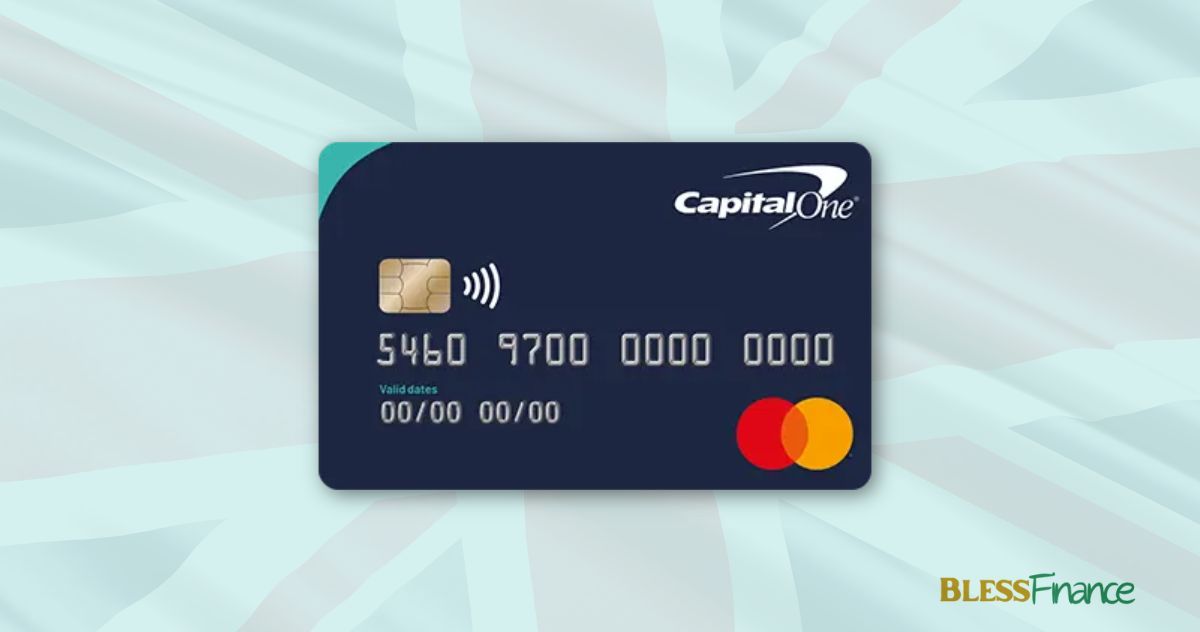
The Capital One Balance Transfer Card presents a tempting offer: a chance to pause the interest on existing card debt for up to a year. For those struggling to make headway against high interest rates, this can seem like a lifeline. But this is a specialist financial tool, not a standard credit card from a high street bank.
The headline 0% offer comes with significant strings attached, most notably a very high standard interest rate and a transfer fee.
This detailed review cuts through the marketing to give you a clear-eyed view. We will analyse the 3% transfer fee, explain the critical “up to” clause in the 0% deal, and break down why the 34.9% representative APR is the most important figure to consider.
By the end, you will understand exactly who this card is for and whether it’s the right move for your financial situation or a potential pitfall to avoid.
How the Capital One Balance Transfer Card Works
This card is specifically designed for individuals with a “fair” credit history who may not be eligible for the market-leading deals from prime lenders. Its primary purpose is to help you manage and clear an existing debt from another credit or store card.
The 0% Balance Transfer Offer
The main feature is the ability to move a balance from a different card to this one and pay 0% interest for a promotional period of up to 12 months. This means every penny of your repayment goes towards reducing the actual debt, rather than being eaten up by interest charges. This can significantly accelerate your journey to becoming debt-free.
However, the phrase “up to” is crucial. You are not guaranteed the full 12-month period. Depending on your credit profile and financial circumstances, you might be offered a shorter term, such as six or nine months. This uncertainty makes it difficult to plan your repayments precisely until you are approved.
Important: To qualify for the 0% rate, you must complete your balance transfers within the first 60 days of opening the account. Miss this window, and the offer is gone.
The Upfront 3% Transfer Fee
This interest-free period is not entirely free. Capital One charges a one-off fee of 3% on the total amount you transfer. For example, if you move a debt of £1,500 from another card, a fee of £45 (3% of £1,500) will be added to your balance. Your new starting balance on the Capital One card would therefore be £1,545. This fee is a common feature of balance transfer cards, especially those aimed at the fair credit market.
A Short 0% Period for New Purchases
The card also includes a 0% interest offer on new purchases for the first three months. This is a very short promotional window. It is not intended for financing a large purchase over a long period. It is better suited for a small, planned expense that you are confident you can pay off in full within those three months.
Once this period ends, any remaining balance from purchases will be subject to the card’s high standard interest rate.
The Best Feature: Risk-Free Eligibility Checks
Perhaps the most valuable feature of this card is Capital One’s “QuickCheck” tool. Many people with fair credit worry that applying for a card and being rejected will further damage their credit score. A formal application leaves a “hard search” on your credit file, which other lenders can see.
QuickCheck is a “soft search,” which does not affect your credit score. It allows you to see if you will be accepted for the card with 100% certainty before you commit to a full application. It will also tell you the exact 0% period and credit limit you’ll be offered, removing all the guesswork and risk from the process.
Credit Limits: Starting Small
Given its target market, this card does not offer huge credit limits. You can typically expect a starting limit between £200 and £1,500. While this is more than a basic credit-builder card, it is significantly less than what prime lenders might offer. Capital One often operates a “low-and-grow” approach; if you manage your account responsibly by making payments on time, they may offer you credit limit increases in the future.
Understanding the Full Cost: Fees and Charges
The promotional 0% offer is attractive, but it’s essential to be aware of the standard costs associated with the card. These fees and charges reveal the true cost of using it, particularly if you stray outside the promotional terms.
- Representative APR: A very high 34.9% (variable). This rate applies to purchases after the first three months and to any balance transfer debt not cleared by the end of its 0% period.
- Annual Fee: £0. There is no annual charge for holding the card.
- Balance Transfer Fee: 3% of the amount transferred during the promotional 60-day window.
- Foreign Transaction Fee: 2.75% of every transaction made abroad. This makes it an expensive card to use for holidays.
- Cash Advance Fee: 3% (with a £3 minimum). Interest is charged immediately from the moment of withdrawal at a high rate.
- Late Payment Fee: £12. This is charged if you miss your minimum monthly payment deadline.
The Major Drawbacks You Must Consider
This card can be a powerful tool, but its risks are significant. Understanding these drawbacks is essential before you decide to apply.
- The Extremely High Interest Rate: The 34.9% APR is the biggest red flag. This is a sub-prime interest rate, which signals that the card is not designed for general spending or long-term borrowing. If you fail to clear your transferred balance before the 0% period ends, this rate will be applied, potentially trapping you in a cycle of expensive debt.
- The “Up To” 12 Months Gamble: You cannot be sure what 0% offer you will receive until you use the eligibility checker. If you need a full year to clear a £2,000 debt but are only offered six months, your required monthly payments will double, which you may not be able to afford.
- A Short Window to Clear Your Debt: Even at its maximum, 12 months is a relatively short period in the world of balance transfers. Many mainstream cards offer 20 months or more. This card is only suitable for smaller, manageable debts that you can realistically pay off in a year or less. You must calculate your required monthly payment before applying.
- The Danger of Mixing Debts: Having a 0% purchase offer alongside a 0% balance transfer can be confusing. It is easy to lose track of which balance is which and to fall into the trap of only making minimum payments. Our advice is to use this card solely for the balance transfer and then put it away to avoid accumulating new, high-interest debt.
- Not a Card for Travelling Abroad: The 2.75% non-sterling transaction fee is costly. For every £100 you spend on holiday, you’ll pay an extra £2.75. There are many specialist travel credit and debit cards available that charge no foreign transaction fees at all.
- The Cash Advance Trap: Using any credit card to withdraw cash is a poor financial decision, but it is especially damaging with this one. You are hit with an immediate fee and interest starts accruing instantly at the very high standard APR. Avoid this at all costs.
Who is Eligible for the Capital One Balance Transfer Card?
This card is aimed at a specific segment of the UK market. You are likely to be the ideal candidate if you meet the following criteria:
- You are aged 18 or over and a permanent UK resident.
- You are registered on the electoral roll at your current address.
- You have a UK bank account and a steady source of income.
- You have a “fair” or “average” credit history, perhaps with a limited credit file or minor issues in the past.
- You have not been declared bankrupt in the last 12 months or received any County Court Judgements (CCJs).
- You do not currently hold another credit card with Capital One.
How to Apply Safely
If you have weighed the pros and cons and believe this card is the right tool for your situation, follow these steps to apply in the safest way possible, protecting your credit score.
- Use the Eligibility Checker: The first and most important step is to visit the official Capital One website and find the “Check eligibility” or “QuickCheck” tool. Do not use the main “Apply Now” button.
- Complete the Soft Search Form: Fill in your personal details, including your address history and income. This process takes only a minute and, as a soft search, will not be visible to other lenders or affect your credit score.
- Receive Your Guaranteed Offer: Capital One will provide a definitive yes or no. If you are pre-approved, they will tell you the exact 0% period, the credit limit, and the APR you are being offered. This gives you all the information you need to make an informed decision.
- Proceed to the Full Application: Only if you are happy with the specific offer should you continue to the full application. At this stage, Capital One will perform a hard search on your credit file, but this is fine as you already know you will be accepted.VISIT THE CARD SITE
- Action the Balance Transfer: Once your card arrives, you must activate it and then log into your online account or call Capital One to request the balance transfer. This is not an automatic process. Remember, you only have 60 days from account opening to complete this and secure the 0% rate.
Final Verdict: Is This the Right Card for You?
The Capital One Balance Transfer Card is a niche product. It is not a market-leading card, but it can be an effective solution for a specific type of person in a particular financial situation.
This card is a good choice for:
- Those with Fair Credit: If you have been rejected for top-tier 0% deals from high street banks, this card offers an accessible alternative to help you tackle debt.
- Those with Smaller Debts: If you have a debt of around £1,000 to £2,500 and a clear plan to pay it off within the promotional window, this card can save you a significant amount in interest.
- Risk-Averse Applicants: The QuickCheck tool provides a guaranteed outcome without harming your credit score, making the application process stress-free.
You should avoid this card if:
- You Have a Good or Excellent Credit Score: You can and should apply for superior cards that offer longer 0% periods and, crucially, no transfer fee.
- You Have a Large Debt: The short “up to 12 month” term is not long enough to realistically clear a large balance, making the 34.9% APR a serious threat.
- You Might Be Tempted to Spend on It: If you lack the discipline to use this card for the transfer only, the high purchase APR could easily worsen your financial situation.
Ultimately, this card should be viewed as a short-term stepping stone. Use it strategically to clear a nagging debt over a year, make every payment on time, and build a better credit history. If used correctly, it’s a helpful tool. If misused, it becomes a very expensive trap.
About the author