thimbl Card: A Detailed UK Review for Rebuilding Your Credit
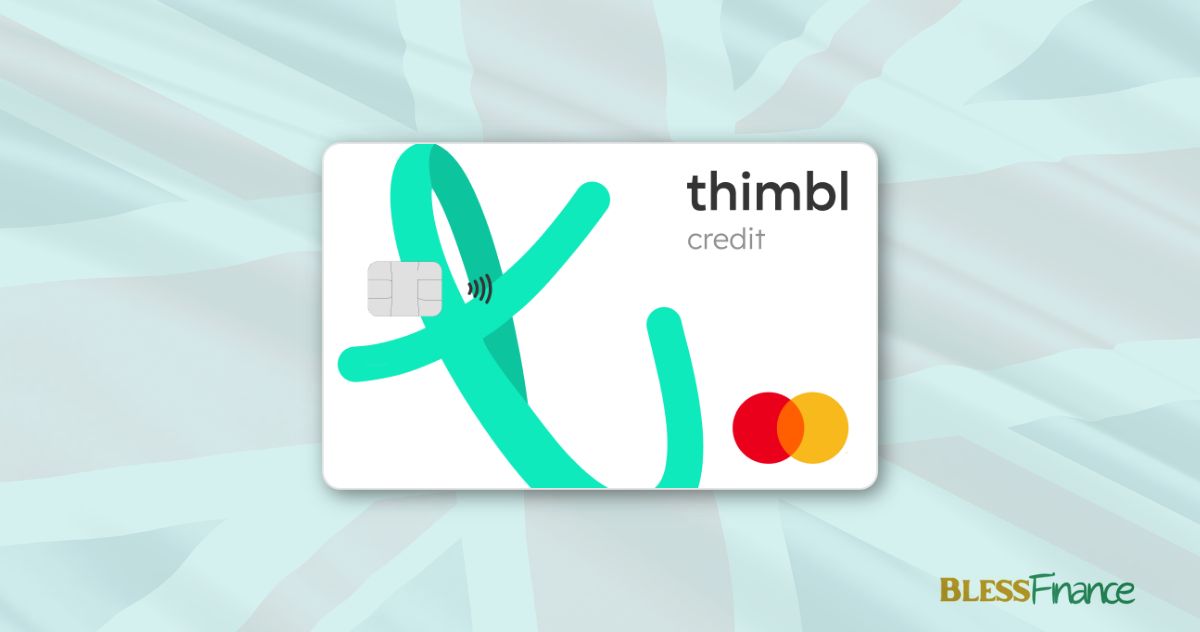
If a poor credit score is holding you back, the thimbl credit card has likely appeared on your radar. It’s marketed as a tool to help you rebuild your financial standing, especially if mainstream lenders have turned you away. But in a market filled with high-cost credit cards for bad credit, it’s fair to be sceptical. Is this a genuine stepping stone or just another financial trap?
This comprehensive review cuts through the marketing to give you the facts. We will explore thimbl’s unique no-fee structure, explain exactly how it works to improve your credit score, and shine a bright light on its dangerously high interest rate. By the end, you will have a clear understanding of whether the thimbl card is the right and safe choice for your situation.
What is the thimbl Card and Who is it For?
First, it’s crucial to understand what the thimbl card is not. It is not a card for your weekly shopping, for emergencies, or for borrowing money over several months. Instead, it is a specialist tool designed with one primary goal: to help you demonstrate responsible borrowing habits and, as a result, improve your credit score.
It is specifically aimed at individuals in the UK who struggle to get approved for credit from high-street banks. This could be due to a variety of reasons:
- A history of missed payments or defaults.
- County Court Judgements (CCJs) on your record.
- A “thin” credit file, meaning you have little to no history of borrowing.
- Previous rejections from other lenders.
The card achieves its goal by providing a low credit limit and reporting your account activity to all three major UK credit reference agencies. By using it correctly, you create a positive payment history that other lenders can see.
The Standout Feature: A Genuinely £0 Fee Structure
The single biggest advantage of the thimbl card is its fee policy. Many credit-builder cards profit from penalty fees, which can trap users in a cycle of debt. Thimbl has removed these, creating a much safer environment for rebuilding your credit.
- £0 Annual Fee: You pay nothing simply for holding the card.
- £0 Late Payment Fee: This is a game-changer. If you have a difficult month and miss the payment due date, you will not be hit with a typical £12 penalty charge. While a missed payment will still be reported and severely damage your credit score, you won’t be financially penalised with an extra fee.
- £0 Over-Limit Fee: Accidentally spending a few pounds over your credit limit will not result in a penalty charge.
- £0 Cash Advance Fee: Thimbl does not charge a fixed fee for withdrawing cash, though this is still a very bad idea for other reasons we’ll cover shortly.
This fee structure provides a valuable safety net, removing the fear that a simple mistake will lead to escalating costs. It allows you to focus purely on building a positive payment history.
How the thimbl Card Actively Rebuilds Your Credit Score
The card uses a two-pronged strategy to boost your credit rating. Both elements are equally important and work together to show lenders that you are a reliable borrower.
1. Consistent Reporting to All Three Credit Agencies
Thimbl reports your account conduct to Experian, Equifax, and TransUnion every month. When you pay your bill on time, you are creating a positive data point on your credit files. After six to twelve months of flawless, on-time payments, this consistent track record will have a significant positive impact on your score. This is the foundation of all credit building.
2. Mastering Your Credit Utilisation
The second part of the strategy involves something called ‘credit utilisation’. This is the percentage of your available credit that you are using. Lenders prefer to see a low figure (ideally below 30%) as it suggests you are in control of your finances and not reliant on credit.
The thimbl card’s very low credit limit, typically between £50 and £500, is a benefit in disguise. It makes it easy to maintain a low utilisation ratio. For example:
- A Bad Signal: If your limit is £200 and your balance is £180, your utilisation is 90%. This looks risky to lenders.
- A Good Signal: If your limit is £200 and you only use it for a £10 subscription, your utilisation is just 5%. This sends a powerful message of financial control.
By using the card for a single small purchase and paying it off, you demonstrate both timely payments and responsible credit management—the two key ingredients for a better score.
The Major Drawback: The Very High Interest Rate
This is the most critical part of the review. The thimbl card comes with a representative 39.9% APR (variable). This interest rate is extremely high and is the trade-off for the £0 fee structure. This card is absolutely not designed for borrowing.
To put it into perspective, if you were to carry a balance of just £200, you would be charged around £6.65 in interest for that month alone. Over a year, that adds up to nearly £80 in interest charges. This is how the card becomes expensive and counterproductive. The only way to use this card safely is to pay the balance in full every single month, without fail.
The Only Safe Way to Use This Card: A Step-by-Step Guide
To ensure you build your credit score without ever paying a penny in interest, follow this simple, proven method.
- Assign One Small Subscription: Use the card to pay for one small, recurring monthly bill. A subscription like Netflix, Spotify, or even your mobile phone contract is ideal. This keeps your credit utilisation very low.
- Set Up a Direct Debit: As soon as you activate the card, log into the app and set up a Direct Debit to pay the “statement balance in full” each month from your current account. This automates the process and guarantees you never miss a payment or incur interest.
- Put the Card Away: Once the Direct Debit is set up, put the physical card in a safe place, like a drawer, and do not use it for any other day-to-day spending.
This “set it and forget it” approach ensures you build a perfect payment history automatically while completely avoiding the high APR.
Other Risks to Be Aware Of
Beyond the high APR, there are a few other potential pitfalls to keep in mind.
- The Cash Advance Trap: While there is no fee for withdrawing cash, interest at the full 39.9% APR starts accruing from the moment of the transaction. There is no interest-free period. Taking cash from a credit card is also a major red flag for lenders. Avoid this at all costs.
- Not for Travel: The card charges a 2.99% non-sterling transaction fee on all purchases made abroad. This makes it an expensive option for holidays. Use a specialist travel card or cash instead.
- A Low, Inconvenient Limit: While good for credit utilisation, the low limit makes the card impractical for large purchases or as your main spending card. It is purely a credit-building tool.
Who is Eligible for the thimbl Card?
Thimbl’s criteria are more flexible than those of mainstream banks, but some rules still apply. Before applying, thimbl offers an eligibility check which uses a ‘soft search’ that does not impact your credit score.
You must:
- Be at least 18 years old.
- Be a permanent UK resident.
- Have a UK bank account and mobile number.
You must not:
- Have been declared bankrupt in the last 12 months.
- Have more than two County Court Judgements (CCJs) in the last 12 months.
- Currently be in an Individual Voluntary Arrangement (IVA) or Debt Relief Order (DRO).
thimbl Card vs. Other Credit-Builder Options
How does thimbl compare to its main competitors in the UK market?
Traditional Credit-Builder Cards (e.g., Aqua, Vanquis)
These cards also report to all three credit agencies and are designed for those with poor credit. However, most of them charge late payment fees of around £12. If you are disorganised or face a difficult month, these fees can quickly add up. Thimbl’s £0 fee structure makes it a safer choice if you are worried about being penalised for an accidental slip-up.
Secured Credit Cards
A secured card requires you to pay a cash deposit which then acts as your credit limit. Because there is no risk to the lender, acceptance is almost guaranteed. This is the safest option if you have some spare cash to use as a deposit and do not trust yourself with an unsecured credit line. However, if you don’t have funds available for a deposit, an unsecured card like thimbl is a more accessible alternative.
Exploring different financial products is a key part of managing your money.
Final Verdict: Is the thimbl Card Right for You?
The thimbl credit card is a well-designed and transparent tool for a very specific purpose. It is a subscription to a better credit score, not a conventional credit card for spending. Its success or failure depends entirely on how you use it.
This card is an excellent choice if:
- You have a poor credit history and have been rejected by other lenders.
- You are disciplined enough to follow the “set it and forget it” strategy by paying the balance in full via Direct Debit each month.
- You understand that its purpose is to build credit, not to borrow money.
- You value the safety net provided by the £0 fee structure.
You should avoid this card if:
- You need to borrow money or think you might not be able to clear the balance each month. The 39.9% APR is unforgiving.
- You are looking for a card with rewards, cashback, or promotional offers.
- You need a high credit limit for significant purchases.
- You are not organised with your finances, as a missed payment (even without a fee) will undo your hard work.
In summary, if used responsibly as a simple, automated tool, the thimbl card is one of the most effective and safest options available in the UK for rebuilding your credit profile from the ground up.
About the author